 Diamond Claw Clinical Team
Toxic Foods and Household Hazards Every Pet Owner in Sharjah Should Know
Your home is your pet’s whole world. And in that world — in your kitchen, your bathroom cabinet, your garden, and even in the cleaning supplies under your sink — there are substances that could make your dog or cat seriously ill, or worse.
The ASPCA Animal Poison Control Center handled over 450,000 calls about potential pet poisonings in 2024 alone. The top culprits were not unusual or exotic — they were everyday medications, common foods, and household products found in ordinary homes. Many of them are in yours right now.
At Diamond Claw Veterinary Clinic in Sharjah, we see the outcomes of accidental pet poisoning. We want every pet owner in our community to understand the risks clearly — because in most cases, the difference between a full recovery and a tragedy is simply how quickly the owner acted and how prepared they were.
This guide gives you the information you need to protect your pet before an emergency happens.
The Most Dangerous Foods for Dogs and Cats
Onions, Garlic, and the Entire Allium Family
This is one of the most important things for pet owners in the UAE to know: onions and garlic are toxic to both dogs and cats, and they are used daily in most kitchens in Sharjah and across the region.
All parts of the allium plant family are dangerous — this includes onions, garlic, leeks, shallots, spring onions, and chives, in every form: raw, cooked, dried, and powdered. The compound N-propyl disulfide damages red blood cells, leading to haemolytic anaemia — a condition where the body destroys its own blood cells faster than it can replace them.
Cats are more sensitive than dogs, but both species are at risk. Powdered forms — like garlic powder or onion powder used in seasonings and gravies — are more concentrated and therefore more dangerous by weight than fresh forms.
The damage is also cumulative. Small, repeated exposures over time can cause toxicity even without a single large ingestion. This is why feeding pets leftover rice, curries, biryanis, or any dish seasoned with these ingredients is genuinely harmful, even if it seems like “just a little bit.”
Signs of allium toxicity: Weakness, pale or yellowish gums, rapid breathing, reduced appetite, reddish-brown urine, and lethargy — often appearing 2 to 5 days after ingestion as the red blood cell damage accumulates.
Grapes and Raisins
Grapes and raisins can cause acute kidney failure in dogs, and the mechanism is not fully understood — which makes this toxin particularly concerning because there is no reliably safe amount. Individual sensitivity varies widely: some dogs have eaten significant quantities without apparent effect, while others have developed kidney failure from a small number of grapes.
Because of this unpredictable variability, veterinary toxicologists recommend treating any grape or raisin ingestion as an emergency. The suspected toxic compound is tartaric acid, which dogs are unable to safely metabolise.
Products containing raisins are common in many UAE households — fruit cake, trail mix, certain biscuits, and some baked goods. Be aware of what is in shared snacks and foods left accessible on countertops.
Signs of grape or raisin toxicity: Vomiting and diarrhoea within hours of ingestion, followed by lethargy, abdominal pain, and decreasing or absent urination as kidney failure develops.
Xylitol — The Hidden Sweetener
Xylitol is an artificial sweetener that has become increasingly widespread in food products globally, including in the UAE. It is found in sugar-free chewing gum, certain peanut butter brands, sugar-free candy, some protein bars, certain vitamin supplements, mouthwash, and even some medications.
In dogs, xylitol triggers a sudden and disproportionate release of insulin, causing severe hypoglycaemia (dangerously low blood sugar) within 30 to 60 minutes of ingestion. At higher doses, xylitol also causes acute liver failure — which can be fatal even with treatment.
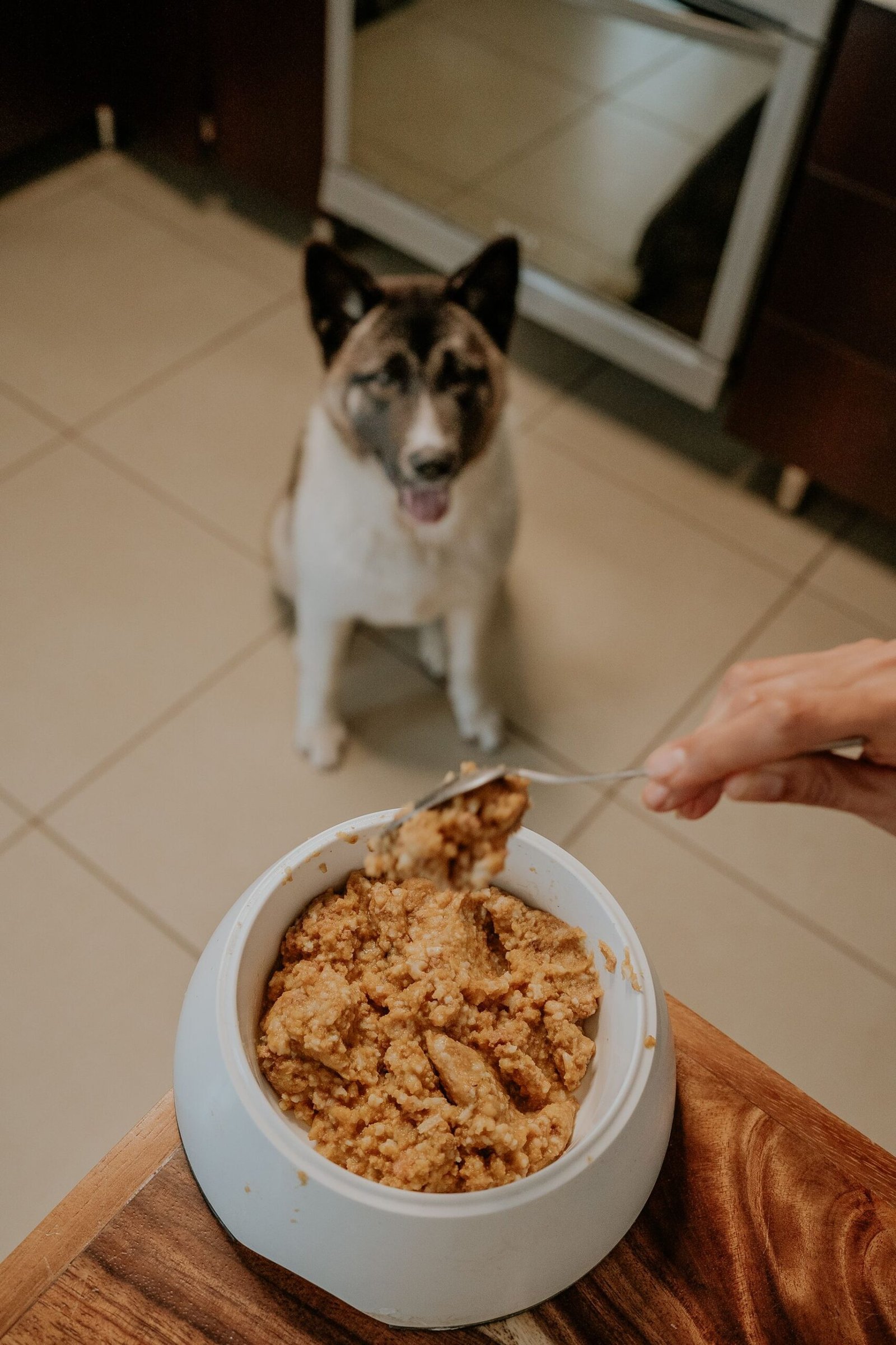
A critical warning for pet owners: Always check peanut butter labels before offering it to your dog as a treat or using it to give medication. Some widely available peanut butter brands contain xylitol, and this is one of the most common xylitol poisoning scenarios we see.
Signs of xylitol toxicity develop quickly and include vomiting, sudden weakness or wobbliness, collapse, and seizures. This is a genuine emergency — contact your vet immediately.
Chocolate
Chocolate contains theobromine (and caffeine), compounds that dogs and cats metabolise far more slowly than humans. While the levels in a small milk chocolate piece may cause only mild digestive upset in a large dog, the same amount can be dangerous in a small dog, and dark chocolate and baking chocolate are dangerous in any amount for most pets.
The severity of toxicity depends on the type of chocolate, the amount consumed, and the body weight of the animal:
- Baking chocolate and cocoa powder — highest theobromine concentration, most toxic
- Dark chocolate — high risk
- Milk chocolate — moderate risk, dose-dependent
- White chocolate — lowest theobromine, but still high in sugar and fat
Signs of chocolate toxicity include vomiting, diarrhoea, restlessness, excessive thirst, rapid heart rate, muscle tremors, and seizures in severe cases. If your pet has consumed any quantity of dark chocolate or baking chocolate, or more than a small amount of milk chocolate, contact Diamond Claw immediately.
Human Medications
According to the ASPCA’s 2024 toxin data, over-the-counter human medications were the single most common cause of pet poisoning calls, accounting for more than 16% of all cases. The most frequently involved medications included pain relievers and anti-inflammatory drugs, vitamins and supplements, antidepressants, and ADHD medications.
For pet owners in Sharjah, the most important points are:
- Paracetamol (acetaminophen) is extremely dangerous to cats — a single standard tablet can cause fatal red blood cell destruction and liver failure. It is also harmful to dogs.
- Ibuprofen and other NSAIDs cause stomach ulcers and kidney failure in pets at doses far lower than the human therapeutic range.
- Never give your pet any human medication unless it has been specifically prescribed by your veterinarian at the correct dose for your pet’s weight and species.
Store all medications in closed cabinets. Do not leave pills on countertops, bedside tables, or in accessible bags.
Macadamia Nuts
Macadamia nuts cause a distinctive syndrome in dogs characterised by weakness in the hindquarters, tremors, fever, and vomiting — typically within 12 hours of ingestion. While macadamia toxicity is rarely fatal on its own, it causes significant suffering. Be cautious of imported snack mixes, cookies, and trail mixes that may contain macadamia nuts.
Alcohol
Even small amounts of alcohol cause rapid and severe effects in pets due to their small body size. Beer, wine, spirits, alcohol-based desserts, and even alcoholic hand sanitiser are all dangerous. Signs include disorientation, vomiting, low blood sugar, and respiratory depression. Never give a pet alcohol under any circumstance.
Protecting Your Pet Starts With Being Prepared
At Diamond Claw Veterinary Clinic in Sharjah, your pet’s safety is our priority. If your pet has ever been exposed to something potentially toxic — or if you just want to know more about keeping your home pet-safe — call us or book a consultation today.
📞 Call Diamond Claw Veterinary Clinic — save our number now 📍 Visit us in Sharjah — we’re here for your pet
The best emergency plan is the one you put in place before there’s ever an emergency.
Dangerous Household Plants — Including Common UAE Garden Choices
Several plants that are popular in homes, gardens, and balconies across Sharjah are toxic to dogs and cats. The most important ones:
| Plant | Risk To | Effects |
|---|---|---|
| All true Lily species (Easter, Tiger, Day, Asiatic) | Cats — CRITICAL | Even small pollen exposure causes fatal kidney failure |
| Sago Palm (popular ornamental in UAE) | Dogs and cats | Liver failure — often fatal, even with treatment |
| Oleander | Dogs and cats | Severe cardiac and gastrointestinal effects |
| Aloe Vera | Dogs and cats | Vomiting, diarrhoea, tremors |
| Pothos / Devil’s Ivy | Dogs and cats | Oral irritation, drooling, difficulty swallowing |
| Peace Lily | Dogs and cats | Oral irritation, vomiting |
| Dieffenbachia (Dumb Cane) | Dogs and cats | Severe oral burning, drooling, swallowing difficulty |
| Azalea | Dogs and cats | Vomiting, drooling, heart abnormalities |
A specific warning for cat owners: True lilies deserve special emphasis. Even licking pollen off their fur after brushing against a lily plant has caused acute kidney failure and death in cats. If you have cats, all true lilies — in flower arrangements, garden borders, or houseplant collections — should be removed entirely from your home and outdoor spaces.
Sago palms are widely used in UAE landscaping and garden centres. They are beautiful, low-maintenance, and deeply toxic to both dogs and cats. All parts of the plant are poisonous, with the seeds (nuts) being the most toxic. Even with aggressive veterinary treatment, liver failure from sago palm ingestion has a high fatality rate.
Other Household Hazards
Rodent Bait
Rodenticides (rat and mouse poison) remain one of the most serious accidental toxin exposures in the UAE. Different formulations work through different mechanisms — the most common anticoagulant types prevent blood clotting, causing internal bleeding that may not be visible for several days after ingestion. Pets can also be poisoned by eating a rodent that has consumed the bait (secondary or relay toxicity).
If rodent control is needed in or around your home, discuss pet-safe strategies with your pest control provider, and contact your vet immediately if you suspect your pet has had any contact with rodenticide.
Cleaning Products
Household cleaning agents — including bleach, disinfectants, toilet bowl cleaners, and floor cleaners — are corrosive and toxic when ingested or when pets walk through spills and lick their paws. Ensure floors are fully dry before allowing pets to walk on recently cleaned surfaces, and store all cleaning products in secured cabinets.
Antifreeze
While less commonly used in the UAE’s warm climate, antifreeze (ethylene glycol) is present in some vehicle coolants, hydraulic brake fluids, and certain other automotive products. It has a sweet taste that attracts pets, and even a small amount — as little as one teaspoon — can cause fatal kidney failure in a cat. If you maintain vehicles at home, store all automotive fluids securely.
What to Do If You Suspect Your Pet Has Been Poisoned
Act immediately. Do not wait for symptoms.
Many of the most dangerous toxins — grapes, xylitol, anticoagulant rodenticides — cause damage that may not become visible until hours or days later, by which point treatment is far more difficult and less successful.
Step 1: Stay calm. Panicking does not help your pet.
Step 2: Call Diamond Claw Veterinary Clinic or the nearest emergency vet immediately. Describe what your pet ingested, how much, and when — even an estimate is helpful.
Step 3: Do not attempt to induce vomiting at home unless specifically directed to do so by a vet. With some substances, inducing vomiting causes additional harm.
Step 4: If possible, bring the packaging, plant material, or product container with you to the clinic. This allows the vet team to identify the exact substance and guide treatment accurately.
Step 5: Keep your pet calm and as still as possible during transport.
An important note for Sharjah and UAE pet owners: Unlike some countries, the UAE does not have a dedicated national pet poison hotline. The correct action in a poisoning emergency is to call your vet clinic directly or go to the nearest emergency veterinary facility without delay. Having Diamond Claw’s number saved in your phone before you ever need it could genuinely save your pet’s life.
Pet Safety at Home: A Quick Sharjah Household Checklist
Use this to assess your home right now:
✅ All human medications stored in a closed cabinet, not on countertops or tables
✅ Peanut butter label checked — no xylitol
✅ All houseplants researched and confirmed safe for your pet species
✅ Sago palms, lilies, and oleanders removed from your home and garden
✅ Cleaning products stored in secured, pet-inaccessible locations
✅ Onions, garlic, grapes, raisins, and chocolate not left accessible on countertops
✅ Rodenticide and pest control products kept well away from pet areas
✅ Diamond Claw Veterinary Clinic’s number saved in your phone
✅ Location of nearest emergency vet clinic known
Conclusion
Most pet poisonings are preventable. They happen not because pet owners don’t care, but because they simply didn’t know. Now you know.
With a few simple adjustments — securing medications, checking plant lists, reading food labels, keeping the vet’s number saved — you can eliminate the most common threats your pet faces in your own home.
Print this list. Save our number. Review your home today.