+971 56 314 0788

No products in the cart.

Category: ACTIVES

Your Puppy’s First Year in Sharjah: A Complete Veterinary Care Guide

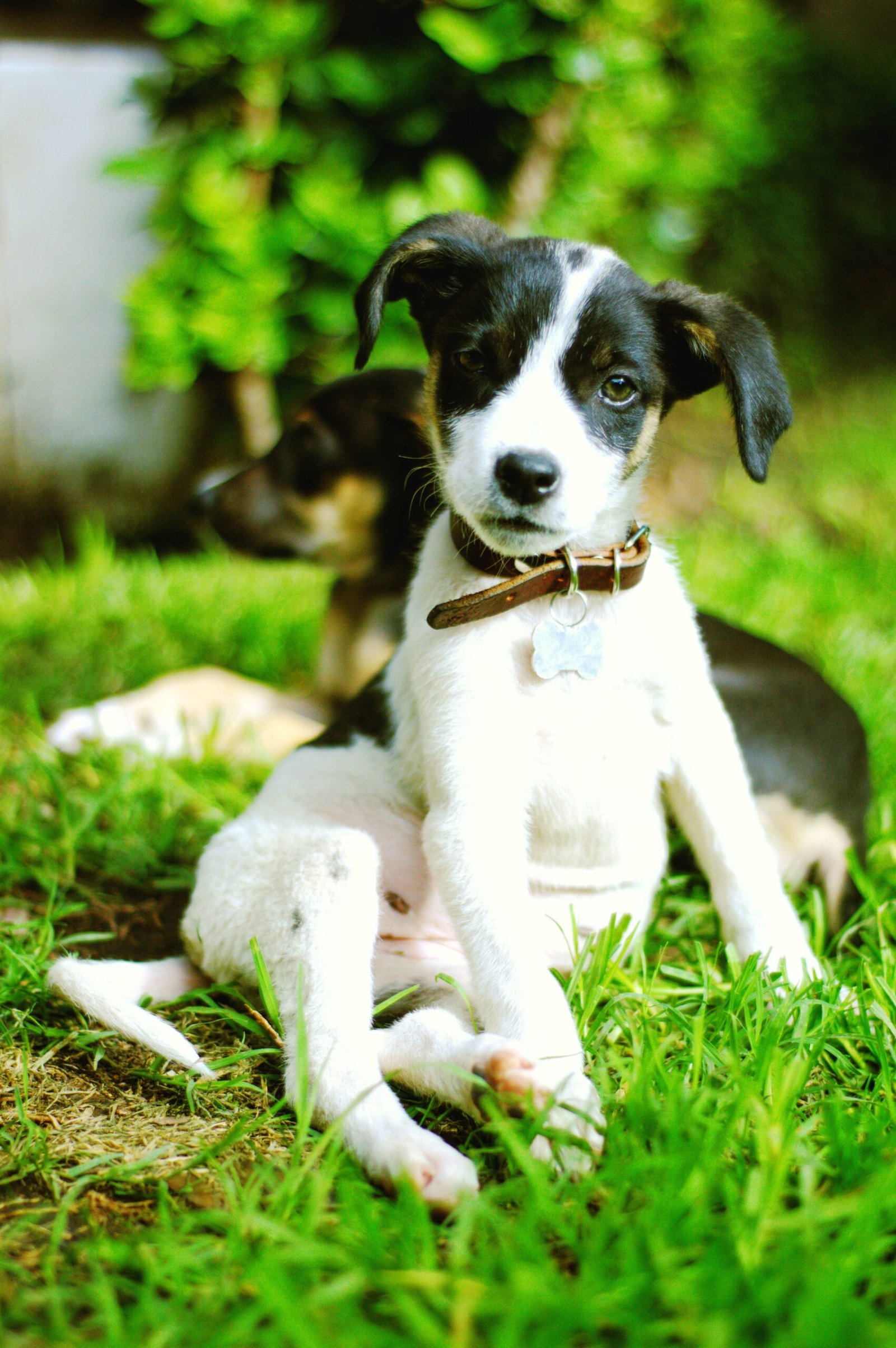
Bringing home a new puppy is one of the most joyful experiences a family can have. It is also one of the most important seasons in that puppy’s life — because what happens in the first twelve months shapes their health, behaviour, and quality of life for years to come.

At Diamond Claw Veterinary Clinic in Sharjah, we work with new puppy owners every week. The questions are often the same: When do they need their first vaccine? When should I bring them in? What should I feed them? When can they go outside? This guide answers all of it — clearly, step by step, in the order you need it.

Week 1: Before Your Puppy Even Comes Home

Good puppy care begins before your puppy arrives. Use this window to:

Find a veterinarian you trust. Your first vet visit should happen within the first 48 to 72 hours of bringing your puppy home — ideally within the first few days, even if the puppy appears healthy. Early assessment is important because some congenital or health issues in puppies are not visible to the untrained eye.

Prepare your home. Remove accessible toxic plants (sago palms are common in UAE gardens and highly toxic to dogs), secure cleaning products, keep human medications locked away, and use baby gates to limit access to stairs and unsupervised areas. Puppies explore with their mouths — assume everything on the floor is fair game.

Buy the right food. Choose a puppy-specific, complete and balanced food appropriate for your puppy’s expected adult size. If you have a large-breed puppy (expected adult weight over 25 kg), choose a large-breed puppy formula specifically.


The First Vet Visit: What to Expect

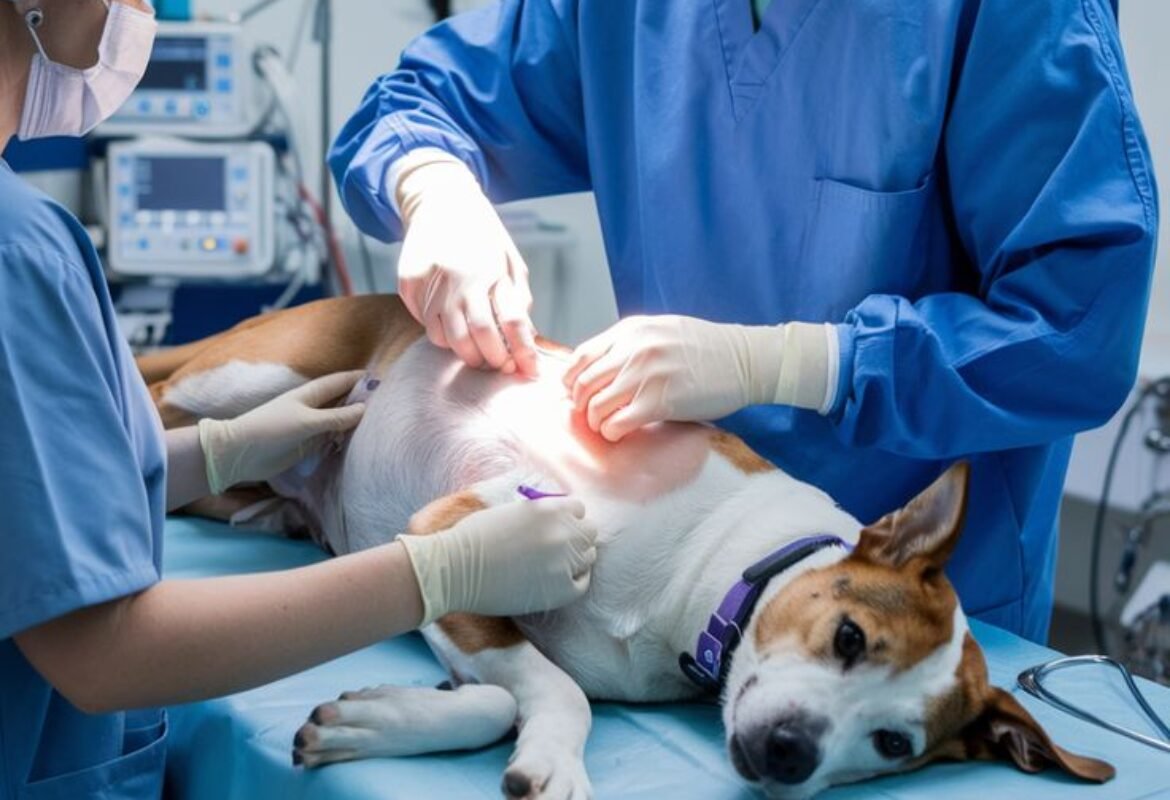
According to AAHA guidelines, puppies should have their first veterinary visit at 6 to 8 weeks of age — or as soon as you bring them home if they are older. At Diamond Claw, this visit typically includes:

  • A full nose-to-tail physical examination
  • Assessment of body weight and body condition
  • Review of any existing vaccine or deworming records
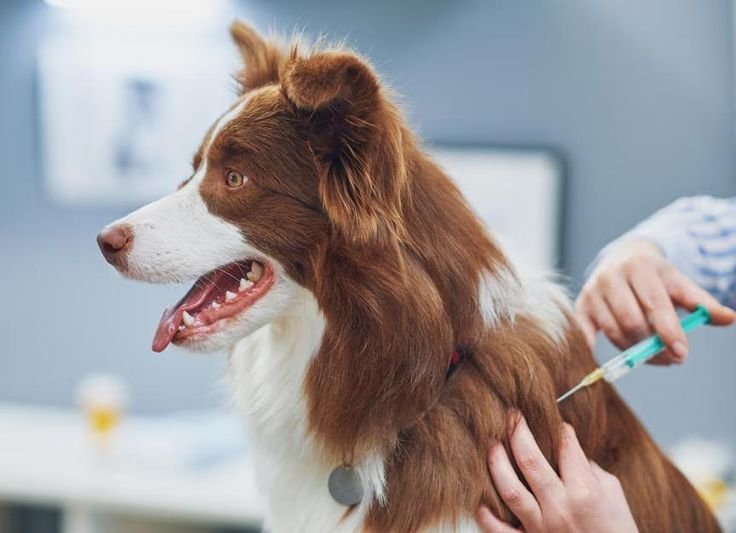
  • Beginning of the core vaccine series if due
  • Discussion of deworming and flea prevention
  • Microchipping — ideally done at this first visit if not already done
  • A personalised plan for the next 12 months of care

Bring any paperwork or records from the breeder, shelter, or previous owner. Even incomplete records help us build a clearer picture of where your puppy’s health journey stands.

Puppy Vaccination Schedule: Month by Month

Vaccinations are the most important medical intervention of your puppy’s first year. Puppies are born with some temporary immunity from their mother’s antibodies (transmitted through the first milk, or colostrum), but this immunity fades during the first weeks of life, leaving a window of vulnerability that vaccines must fill.

The reason puppies need a series of vaccinations given several weeks apart — rather than a single early shot — is that maternal antibodies in the bloodstream can interfere with vaccine effectiveness. By giving multiple doses across the vulnerable window, we ensure your puppy builds their own protective immunity as maternal protection fades.

Recommended puppy vaccination schedule in the UAE:

AgeVaccines
6–8 weeksDA2PP (Distemper, Adenovirus, Parvovirus, Parainfluenza)
10–12 weeksDA2PP booster; Bordetella if recommended
14–16 weeksDA2PP booster; Rabies (first dose — minimum 12 weeks per UAE requirements)
12–16 monthsDA2PP booster; Rabies booster
Annually thereafterRabies (legally required) + core boosters as advised

Note: Rabies vaccination is a legal requirement in the UAE and must be given no earlier than 12 weeks of age. It is recorded against your puppy’s microchip and is required for registration, boarding, and travel.

Bring Your New Puppy to Diamond Claw Today


Your puppy’s first vet visit should happen within the first few days of bringing them home. Book an appointment at Diamond Claw Veterinary Clinic in Sharjah and let our team set your puppy up for the healthiest possible start to life.


📞 Call us | 💻 Book online | 📍 Visit Diamond Claw Veterinary Clinic, Sharjah


Every great dog story starts with one good first year. Let’s build it together.

Deworming: Starting Early and Staying Consistent

Puppies are frequently born with intestinal parasites inherited from their mother, even when the mother appears healthy and is kept in clean conditions. This is not a reflection of poor care — it is a biological reality of how certain parasites transmit.

Deworming should begin as early as 2 to 3 weeks of age in most puppies and continue on a schedule throughout the first year and beyond. At Diamond Claw, we will assess your puppy’s parasite status at each visit and recommend the appropriate deworming schedule based on their age, risk factors, and the parasites common in our region.

Common intestinal parasites in UAE puppies include roundworms, hookworms, and tapeworms. Some of these can be transmitted to humans — particularly children — making deworming a family health matter, not just a pet health one.


Microchipping: Non-Negotiable in the UAE

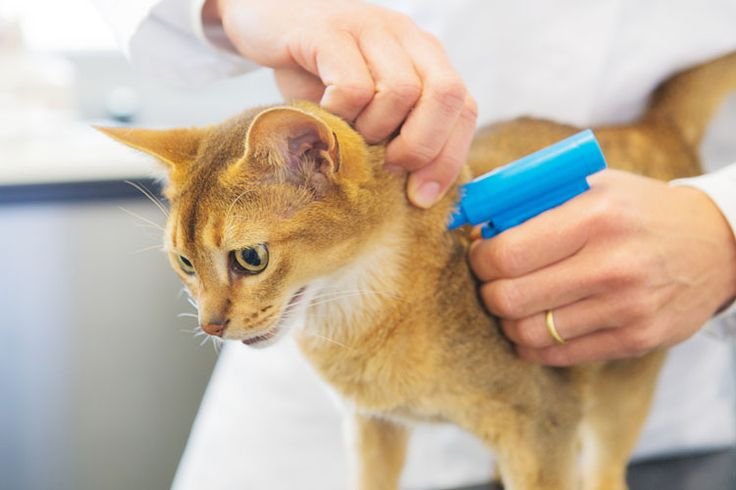
Microchipping is a permanent, painless form of identification — a tiny chip, about the size of a grain of rice, injected under the skin between the shoulder blades. It carries a unique number linked to your contact details in a pet registry.

In the UAE, microchipping is required for pet registration, and it must be done before the rabies vaccine is administered. It is also required for international travel.

Beyond compliance, microchipping dramatically increases the chance of being reunited with your pet if they are ever lost. Unlike collars and tags, microchips cannot fall off. At Diamond Claw, we routinely microchip puppies at their first visit.


Feeding Your Puppy: Getting the Foundation Right

Puppies have significantly higher nutritional demands than adult dogs. They need more protein, more calories, and specific ratios of calcium and phosphorus to support rapid bone and muscle development.

Key feeding principles for puppies:

Feed a puppy-specific, complete and balanced formula appropriate for your puppy’s expected adult size. For large and giant breeds, this distinction is critical — excessive calcium and calorie intake during growth phases in large breeds is associated with developmental bone problems.

Feed three to four small meals per day for puppies under six months, transitioning to two meals per day from six months onward.

Do not supplement a complete commercial puppy food with calcium, cod liver oil, or similar supplements without veterinary guidance. Over-supplementation of calcium in growing puppies is a documented cause of orthopaedic disease.

Always ensure fresh water is available. In Sharjah’s heat, hydration is particularly important — even puppies who seem to drink well should have their water topped up regularly throughout the day.


Socialisation: The Window You Cannot Afford to Miss

The socialisation period in puppies runs approximately from 3 to 12–14 weeks of age. During this time, the brain is forming the neural pathways that determine how a dog responds to the world throughout their life. Experiences during this window — both positive and negative — have a disproportionate and lasting influence on adult temperament.

A well-socialised puppy who has been gently exposed to a wide range of people, sounds, surfaces, animals, and environments during this period is far more likely to grow into a calm, confident, adaptable adult dog. A puppy who has missed this window — kept isolated during the critical months — is at significantly higher risk for fear, anxiety, aggression, and lifelong behavioural problems.


How to socialise safely before full vaccination:

The common concern is that puppies cannot be exposed to other animals until they are fully vaccinated. This is true for high-risk public areas — dog parks, pet shops, streets where unknown dogs have been. However, safe socialisation is still possible:

  • Invite vaccinated, healthy adult dogs and puppies from trusted households to interact with your puppy at home
  • Carry your puppy in your arms in public so they experience sights, sounds, and smells without ground contact
  • Arrange puppy classes at veterinary clinics or controlled settings where all participants are vaccinated
  • Expose your puppy to different types of people — men, women, children, people wearing hats, uniforms, or carrying umbrellas
  • Introduce household sounds gradually — cooking, TV, the vacuum cleaner, vehicles

Socialisation is not optional. A puppy whose vaccination schedule is perfectly completed but who has been kept in isolation during these months faces serious behavioural risks that no amount of training can fully reverse.


When Can My Puppy Go to the Park or Dog Beach?

In the UAE, there are designated dog parks and pet-friendly beach areas that many pet owners in Sharjah and nearby emirates use regularly. Wait until two weeks after your puppy has completed their full initial vaccine series — typically around 16–18 weeks of age — before taking them to high-traffic areas where unknown dogs are present.

During Sharjah’s hot months, also be careful about the timing and surface temperature. Puppy paw pads are sensitive to hot asphalt and sand. If the surface is too hot to touch comfortably with your hand for several seconds, it is too hot for your puppy’s paws. Walk during early mornings or evenings.


Spaying and Neutering: Having the Conversation Early

The timing of spaying and neutering involves a more nuanced conversation than it used to — current veterinary literature increasingly supports considering the individual dog’s breed, size, and health status rather than applying a single universal age recommendation.

At Diamond Claw, we recommend discussing reproductive surgery at your puppy’s early vet visits so we can advise based on your puppy’s specific breed and expected adult size. For many breeds, especially smaller dogs and cats, the traditional recommendation of six months remains appropriate. For large-breed dogs, there is growing evidence to support waiting until physical maturity before neutering, particularly in males.

This is a conversation, not a prescription — and it is one we want to have with you early.


Month-by-Month Puppy Care Summary

AgeKey Milestones
6–8 weeksFirst vet visit, first DA2PP vaccine, deworming begins, microchip
9–12 weeksSecond vaccine, socialisation in full swing, puppy classes
12–16 weeksThird vaccine + first rabies, continue socialisation, introduce grooming habits
4–6 monthsTransition to 2 meals/day, adult teeth coming in, dental care begins
6 monthsDiscuss spay/neuter timing with vet, continue parasite prevention
6–12 monthsContinue wellness visits, transitioning to adult food toward 12 months
12–16 monthsBooster vaccines, annual health assessment, officially an adult

Conclusion

Your puppy’s first year is a once-in-a-lifetime window that lays the foundation for everything that follows — their health, their temperament, and their relationship with you and your family. Getting the basics right during this period is one of the most important investments you will ever make as a pet owner.

Vaccines, nutrition, socialisation, parasite prevention, microchipping, and regular vet visits are not burdens — they are the building blocks of a long, happy life together.
post-5

Senior Pet Care in Sharjah: How to Keep Your Aging Dog or Cat Healthy and Happy

The years pass quickly with a pet. One day you have a clumsy puppy knocking into furniture, and before you know it, the muzzle has gone grey, the mornings have gotten a little slower, and your old friend sleeps more than they used to.

Aging in pets is not a disease. But it does change what your pet needs — from their veterinary care, their diet, their environment, and from you. And the most important thing to understand is this: many of the conditions that affect senior pets are manageable when caught early. The difference between a pet who thrives into their senior years and one who quietly suffers from undetected illness often comes down to one thing — how proactive their owner was about regular care.

At Diamond Claw Veterinary Clinic in Sharjah, the 2023 AAHA Senior Care Guidelines — the most current evidence-based framework for senior pet medicine — guide our approach to every older patient. This article translates that guidance into practical, everyday language for pet owners.

When Is My Pet Considered "Senior"?

There is no single age at which all pets become senior, because dogs age at different rates depending on their size and breed.

As a general guide:

Pet TypeSenior Age Range
Small-breed dogs (under 10 kg)From approximately 10–12 years
Medium-breed dogs (10–25 kg)From approximately 8–10 years
Large-breed dogs (25–40 kg)From approximately 7–8 years
Giant-breed dogs (over 40 kg)From approximately 5–6 years
CatsFrom approximately 10–11 years

One key principle: one year in a senior pet’s life can equal several human years. Changes in their health can progress quickly. This is precisely why the AAHA recommends twice-yearly wellness examinations for senior pets — not because something is necessarily wrong, but because the window for catching conditions before they become serious is shorter.


The Most Common Health Conditions in Senior Pets

 
Osteoarthritis (Joint Disease)

Arthritis is one of the most widespread and most underdiagnosed conditions in older pets. Research suggests that over 60% of dogs experience some degree of arthritis, and the condition is similarly common in older cats. Yet because pets instinctively hide pain and adapt their movement gradually over time, many owners do not recognise it until it is well advanced.

Signs of arthritis in dogs: Reluctance to jump, climb stairs, or rise from rest; stiffness in the mornings that improves as the pet warms up; reduced activity and play; lagging on walks; occasionally licking or chewing at painful joints.

Signs of arthritis in cats: Reduced jumping height or avoidance of furniture they previously used effortlessly; reluctance to use a litter box with high sides; grooming changes (less able to reach certain areas, or overgrooming painful joints); reduced activity and interaction.

Modern veterinary management of osteoarthritis includes several well-evidenced approaches: appropriate pain medication, anti-inflammatory therapy, weight management (reducing the load on painful joints), therapeutic nutrition including omega-3 fatty acids (which have demonstrated analgesic effects in peer-reviewed research), and in some cases, physiotherapy and mobility aids.

Important: Never give your pet human pain medications for arthritis. Ibuprofen, paracetamol, and naproxen are toxic to dogs and cats. Vet-prescribed pain management is both safer and more effective.

 
Chronic Kidney Disease (CKD)

Kidney disease is one of the most significant health concerns in older cats, and is also common in senior dogs. Data from large veterinary laboratory studies shows that CKD is detectable in over 40% of cats aged 5 to 15, and in over 80% of cats aged 15 and above.

The challenge with kidney disease is that it is clinically silent in its early stages. By the time a pet shows obvious symptoms — increased thirst and urination, weight loss, vomiting, reduced appetite — significant kidney function has already been lost. This is the core reason why routine blood and urine testing in senior pets is so valuable: it can detect kidney disease when it is early, before symptoms appear, at a stage when dietary and medical management can meaningfully slow progression and extend quality of life.

Early detection through twice-yearly wellness bloodwork is one of the most important things you can do for an older cat especially.

 
Cognitive Dysfunction Syndrome (CDS)

Cognitive dysfunction syndrome is the veterinary equivalent of dementia in humans. It is a recognised neurological condition associated with age-related changes in the brain, and it is more common than most pet owners realise.

The clinical signs in dogs are captured under the acronym DISHAA: Disorientation, altered Interactions (with people and other pets), changes in Sleep-wake cycles, loss of House training, altered Activity levels, and increased Anxiety. A dog who begins waking at night, pacing, seeming confused in familiar environments, or staring at walls may be showing signs of CDS rather than simply being “old and odd.”

In cats, cognitive dysfunction tends to present differently — cats often increase vocalisation (particularly at night), become clingier or more anxious, and may show confusion in familiar environments.

CDS is a diagnosis of exclusion — meaning other medical causes must be ruled out first. Once diagnosed, it can often be managed with environmental enrichment, mental stimulation, specific nutritional support, and in some cases, medication.

 
Dental Disease

Senior pets accumulate years of dental disease progression. By the time a dog or cat reaches senior age without consistent dental care, many will have moderate to advanced periodontal disease causing chronic pain and systemic bacterial exposure. We assess dental health at every senior wellness visit at Diamond Claw, and professional dental cleaning remains as important — often more so — in older pets as in younger ones.

 
Endocrine Diseases

Hypothyroidism is common in older dogs, causing weight gain, lethargy, skin changes, and hair loss. Hyperthyroidismis one of the most common diseases in older cats, causing weight loss despite increased appetite, increased thirst and urination, restlessness, and a rapid heart rate. Diabetes mellitus affects both species and becomes more common with age, particularly in obese or previously obese pets.

All of these conditions are detectable through routine blood testing and manageable with appropriate treatment. Left undetected, they significantly affect quality of life.

Is Your Senior Pet Due for a Check-Up?


If your dog or cat is 7 years or older, they should be seen twice a year — not once. Book a senior wellness exam at Diamond Claw Veterinary Clinic in Sharjah today and let our team make sure your oldest friend is living their best possible life.


📞 Call Diamond Claw | 💻 Book a senior wellness exam online | 📍 Visit us in Sharjah


Your senior pet has given you their best years. Give them your best care.

What Changes in How You Care for a Senior Pet

Veterinary Visits: Twice a Year

The AAHA Senior Care Guidelines recommend moving from annual to twice-yearly wellness examinations for senior pets. This allows for:

  • More frequent monitoring of blood and urine values — detecting emerging kidney, liver, or thyroid disease before symptoms develop
  • Regular weight and body condition assessment
  • Earlier identification of pain, dental disease, and cognitive changes
  • More frequent opportunities to discuss what you are observing at home

One year in a senior pet’s life passes quickly. A lot can change between annual appointments. Biannual visits close that gap.

 
Nutrition Adjustments

Senior pets have changed nutritional needs. Caloric requirements typically decrease as activity levels drop and metabolism slows — but protein needs often increase to maintain muscle mass and support organ function, as confirmed by current veterinary nutrition research. The right balance depends heavily on your individual pet’s weight, health status, and any diagnosed conditions.

Senior pets with kidney disease, heart disease, liver disease, or other conditions may require prescription diets that are clinically formulated to support their specific situation. These diets are not interchangeable with standard senior food and make a meaningful clinical difference.


Environmental Adjustments for Sharjah Homes

Most Sharjah homes — apartments and villas alike — present some environmental challenges for aging pets:

  • Hard tile floors (common in UAE homes) are difficult for arthritic dogs to move on — add non-slip mats in key areas to help them get purchase
  • Stairs become challenging or impossible for arthritic or weak seniors — consider portable ramps for furniture access if your pet is used to sleeping elevated
  • Litter boxes with high sides are difficult for arthritic cats — switch to a low-sided or open design
  • Heat — senior pets are less able to regulate their body temperature than younger animals, making Sharjah’s summer months a time to be extra attentive about indoor cooling, fresh water, and limiting outdoor exposure during peak temperature hours


Signs That Something May Be Wrong With Your Senior Pet

Contact Diamond Claw if your senior pet shows any of the following:

  • Unexplained weight loss or gain
  • Increased thirst and urination (a key sign of kidney disease, diabetes, and thyroid disease)
  • Reduced appetite lasting more than 24–48 hours
  • New lumps, bumps, or masses anywhere on the body
  • Coughing, laboured breathing, or reduced exercise tolerance
  • Stiffness, lameness, or reluctance to move
  • Confusion, disorientation, night-time waking, or apparent anxiety in familiar environments
  • Changes in toileting habits — accidents, straining, or changes in frequency or consistency
  • Significant changes in coat quality, skin condition, or grooming behaviour

These signs are not “just old age.” They are often the first visible signals of treatable conditions. Always report changes to your veterinarian rather than attributing them to aging and waiting.

Conclusion

Old age is not a disease. But aging pets do have different needs, and meeting those needs requires more attention, more care, and more frequent partnership with your veterinary team than younger pets typically require.

The greatest gift you can give your aging companion is exactly what you would want for yourself: to not suffer silently, to have their pain recognised and managed, and to spend their remaining years in comfort and dignity.

At Diamond Claw, we believe “old age is not a disease” — it is an invitation to care more thoughtfully than ever before.

post-6

Toxic Foods and Household Hazards Every Pet Owner in Sharjah Should Know

Your home is your pet’s whole world. And in that world — in your kitchen, your bathroom cabinet, your garden, and even in the cleaning supplies under your sink — there are substances that could make your dog or cat seriously ill, or worse.

The ASPCA Animal Poison Control Center handled over 450,000 calls about potential pet poisonings in 2024 alone. The top culprits were not unusual or exotic — they were everyday medications, common foods, and household products found in ordinary homes. Many of them are in yours right now.

At Diamond Claw Veterinary Clinic in Sharjah, we see the outcomes of accidental pet poisoning. We want every pet owner in our community to understand the risks clearly — because in most cases, the difference between a full recovery and a tragedy is simply how quickly the owner acted and how prepared they were.

This guide gives you the information you need to protect your pet before an emergency happens.

The Most Dangerous Foods for Dogs and Cats

Onions, Garlic, and the Entire Allium Family

This is one of the most important things for pet owners in the UAE to know: onions and garlic are toxic to both dogs and cats, and they are used daily in most kitchens in Sharjah and across the region.

All parts of the allium plant family are dangerous — this includes onions, garlic, leeks, shallots, spring onions, and chives, in every form: raw, cooked, dried, and powdered. The compound N-propyl disulfide damages red blood cells, leading to haemolytic anaemia — a condition where the body destroys its own blood cells faster than it can replace them.

Cats are more sensitive than dogs, but both species are at risk. Powdered forms — like garlic powder or onion powder used in seasonings and gravies — are more concentrated and therefore more dangerous by weight than fresh forms.

The damage is also cumulative. Small, repeated exposures over time can cause toxicity even without a single large ingestion. This is why feeding pets leftover rice, curries, biryanis, or any dish seasoned with these ingredients is genuinely harmful, even if it seems like “just a little bit.”

Signs of allium toxicity: Weakness, pale or yellowish gums, rapid breathing, reduced appetite, reddish-brown urine, and lethargy — often appearing 2 to 5 days after ingestion as the red blood cell damage accumulates.

Grapes and Raisins

Grapes and raisins can cause acute kidney failure in dogs, and the mechanism is not fully understood — which makes this toxin particularly concerning because there is no reliably safe amount. Individual sensitivity varies widely: some dogs have eaten significant quantities without apparent effect, while others have developed kidney failure from a small number of grapes.

Because of this unpredictable variability, veterinary toxicologists recommend treating any grape or raisin ingestion as an emergency. The suspected toxic compound is tartaric acid, which dogs are unable to safely metabolise.

Products containing raisins are common in many UAE households — fruit cake, trail mix, certain biscuits, and some baked goods. Be aware of what is in shared snacks and foods left accessible on countertops.

Signs of grape or raisin toxicity: Vomiting and diarrhoea within hours of ingestion, followed by lethargy, abdominal pain, and decreasing or absent urination as kidney failure develops.


Xylitol — The Hidden Sweetener

Xylitol is an artificial sweetener that has become increasingly widespread in food products globally, including in the UAE. It is found in sugar-free chewing gum, certain peanut butter brands, sugar-free candy, some protein bars, certain vitamin supplements, mouthwash, and even some medications.

In dogs, xylitol triggers a sudden and disproportionate release of insulin, causing severe hypoglycaemia (dangerously low blood sugar) within 30 to 60 minutes of ingestion. At higher doses, xylitol also causes acute liver failure — which can be fatal even with treatment.

A critical warning for pet owners: Always check peanut butter labels before offering it to your dog as a treat or using it to give medication. Some widely available peanut butter brands contain xylitol, and this is one of the most common xylitol poisoning scenarios we see.

Signs of xylitol toxicity develop quickly and include vomiting, sudden weakness or wobbliness, collapse, and seizures. This is a genuine emergency — contact your vet immediately.

Chocolate

Chocolate contains theobromine (and caffeine), compounds that dogs and cats metabolise far more slowly than humans. While the levels in a small milk chocolate piece may cause only mild digestive upset in a large dog, the same amount can be dangerous in a small dog, and dark chocolate and baking chocolate are dangerous in any amount for most pets.

The severity of toxicity depends on the type of chocolate, the amount consumed, and the body weight of the animal:

  • Baking chocolate and cocoa powder — highest theobromine concentration, most toxic
  • Dark chocolate — high risk
  • Milk chocolate — moderate risk, dose-dependent
  • White chocolate — lowest theobromine, but still high in sugar and fat

Signs of chocolate toxicity include vomiting, diarrhoea, restlessness, excessive thirst, rapid heart rate, muscle tremors, and seizures in severe cases. If your pet has consumed any quantity of dark chocolate or baking chocolate, or more than a small amount of milk chocolate, contact Diamond Claw immediately.


Human Medications

According to the ASPCA’s 2024 toxin data, over-the-counter human medications were the single most common cause of pet poisoning calls, accounting for more than 16% of all cases. The most frequently involved medications included pain relievers and anti-inflammatory drugs, vitamins and supplements, antidepressants, and ADHD medications.

For pet owners in Sharjah, the most important points are:

  • Paracetamol (acetaminophen) is extremely dangerous to cats — a single standard tablet can cause fatal red blood cell destruction and liver failure. It is also harmful to dogs.
  • Ibuprofen and other NSAIDs cause stomach ulcers and kidney failure in pets at doses far lower than the human therapeutic range.
  • Never give your pet any human medication unless it has been specifically prescribed by your veterinarian at the correct dose for your pet’s weight and species.

Store all medications in closed cabinets. Do not leave pills on countertops, bedside tables, or in accessible bags.


Macadamia Nuts

Macadamia nuts cause a distinctive syndrome in dogs characterised by weakness in the hindquarters, tremors, fever, and vomiting — typically within 12 hours of ingestion. While macadamia toxicity is rarely fatal on its own, it causes significant suffering. Be cautious of imported snack mixes, cookies, and trail mixes that may contain macadamia nuts.

 
Alcohol

Even small amounts of alcohol cause rapid and severe effects in pets due to their small body size. Beer, wine, spirits, alcohol-based desserts, and even alcoholic hand sanitiser are all dangerous. Signs include disorientation, vomiting, low blood sugar, and respiratory depression. Never give a pet alcohol under any circumstance.

Protecting Your Pet Starts With Being Prepared


At Diamond Claw Veterinary Clinic in Sharjah, your pet’s safety is our priority. If your pet has ever been exposed to something potentially toxic — or if you just want to know more about keeping your home pet-safe — call us or book a consultation today.


📞 Call Diamond Claw Veterinary Clinic — save our number now 📍 Visit us in Sharjah — we’re here for your pet


The best emergency plan is the one you put in place before there’s ever an emergency.

Dangerous Household Plants — Including Common UAE Garden Choices

Several plants that are popular in homes, gardens, and balconies across Sharjah are toxic to dogs and cats. The most important ones:

PlantRisk ToEffects
All true Lily species (Easter, Tiger, Day, Asiatic)Cats — CRITICALEven small pollen exposure causes fatal kidney failure
Sago Palm (popular ornamental in UAE)Dogs and catsLiver failure — often fatal, even with treatment
OleanderDogs and catsSevere cardiac and gastrointestinal effects
Aloe VeraDogs and catsVomiting, diarrhoea, tremors
Pothos / Devil’s IvyDogs and catsOral irritation, drooling, difficulty swallowing
Peace LilyDogs and catsOral irritation, vomiting
Dieffenbachia (Dumb Cane)Dogs and catsSevere oral burning, drooling, swallowing difficulty
AzaleaDogs and catsVomiting, drooling, heart abnormalities

A specific warning for cat owners: True lilies deserve special emphasis. Even licking pollen off their fur after brushing against a lily plant has caused acute kidney failure and death in cats. If you have cats, all true lilies — in flower arrangements, garden borders, or houseplant collections — should be removed entirely from your home and outdoor spaces.

Sago palms are widely used in UAE landscaping and garden centres. They are beautiful, low-maintenance, and deeply toxic to both dogs and cats. All parts of the plant are poisonous, with the seeds (nuts) being the most toxic. Even with aggressive veterinary treatment, liver failure from sago palm ingestion has a high fatality rate.


Other Household Hazards

 
Rodent Bait

Rodenticides (rat and mouse poison) remain one of the most serious accidental toxin exposures in the UAE. Different formulations work through different mechanisms — the most common anticoagulant types prevent blood clotting, causing internal bleeding that may not be visible for several days after ingestion. Pets can also be poisoned by eating a rodent that has consumed the bait (secondary or relay toxicity).

If rodent control is needed in or around your home, discuss pet-safe strategies with your pest control provider, and contact your vet immediately if you suspect your pet has had any contact with rodenticide.

Cleaning Products

Household cleaning agents — including bleach, disinfectants, toilet bowl cleaners, and floor cleaners — are corrosive and toxic when ingested or when pets walk through spills and lick their paws. Ensure floors are fully dry before allowing pets to walk on recently cleaned surfaces, and store all cleaning products in secured cabinets.

Antifreeze

While less commonly used in the UAE’s warm climate, antifreeze (ethylene glycol) is present in some vehicle coolants, hydraulic brake fluids, and certain other automotive products. It has a sweet taste that attracts pets, and even a small amount — as little as one teaspoon — can cause fatal kidney failure in a cat. If you maintain vehicles at home, store all automotive fluids securely.


What to Do If You Suspect Your Pet Has Been Poisoned

 
Act immediately. Do not wait for symptoms.

Many of the most dangerous toxins — grapes, xylitol, anticoagulant rodenticides — cause damage that may not become visible until hours or days later, by which point treatment is far more difficult and less successful.

Step 1: Stay calm. Panicking does not help your pet.

Step 2: Call Diamond Claw Veterinary Clinic or the nearest emergency vet immediately. Describe what your pet ingested, how much, and when — even an estimate is helpful.

Step 3: Do not attempt to induce vomiting at home unless specifically directed to do so by a vet. With some substances, inducing vomiting causes additional harm.

Step 4: If possible, bring the packaging, plant material, or product container with you to the clinic. This allows the vet team to identify the exact substance and guide treatment accurately.

Step 5: Keep your pet calm and as still as possible during transport.

An important note for Sharjah and UAE pet owners: Unlike some countries, the UAE does not have a dedicated national pet poison hotline. The correct action in a poisoning emergency is to call your vet clinic directly or go to the nearest emergency veterinary facility without delay. Having Diamond Claw’s number saved in your phone before you ever need it could genuinely save your pet’s life.


Pet Safety at Home: A Quick Sharjah Household Checklist


Use this to assess your home right now:

✅ All human medications stored in a closed cabinet, not on countertops or tables

✅ Peanut butter label checked — no xylitol

✅ All houseplants researched and confirmed safe for your pet species

✅ Sago palms, lilies, and oleanders removed from your home and garden

✅ Cleaning products stored in secured, pet-inaccessible locations

✅ Onions, garlic, grapes, raisins, and chocolate not left accessible on countertops

✅ Rodenticide and pest control products kept well away from pet areas

✅ Diamond Claw Veterinary Clinic’s number saved in your phone

✅ Location of nearest emergency vet clinic known

Conclusion

Most pet poisonings are preventable. They happen not because pet owners don’t care, but because they simply didn’t know. Now you know.

With a few simple adjustments — securing medications, checking plant lists, reading food labels, keeping the vet’s number saved — you can eliminate the most common threats your pet faces in your own home.

Print this list. Save our number. Review your home today.

post-10

Pet Dental Health in Sharjah: Why Your Dog or Cat’s Teeth Matter More Than You Think

Here is something most pet owners in Sharjah don’t know: according to the American Veterinary Medical Association, between 80 and 90 percent of dogs and cats show evidence of periodontal disease by the time they reach three years of age.

Read that again. The majority of pets — including yours, possibly — are walking around with a painful, progressive dental condition that their owners cannot see and that the pet is working hard not to show.

At Diamond Claw Veterinary Clinic in Sharjah, dental disease is one of the most common conditions we diagnose. And it is also one of the most preventable. The challenge is that by the time most owners notice something is wrong — bad breath, reluctance to eat, a visible broken tooth — the disease has usually been quietly progressing for months or years.

This guide explains what is actually happening inside your pet’s mouth, why it affects their whole body, and exactly what you can do about it — starting today.

What Is Periodontal Disease, and Why Does It Matter?

Periodontal disease is a progressive bacterial infection of the structures that support the teeth — the gums, the ligaments, and the bone around each tooth root. It begins with the accumulation of plaque (a film of bacteria and food particles) on the tooth surface. When plaque is not removed, it mineralises into tartar — the hard yellowish-brown crust you may have noticed on your pet’s teeth. Tartar irritates the gums and creates the conditions for bacteria to work their way deeper, below the gumline, where the real damage begins.

The American Veterinary Dental College (AVDC) classifies periodontal disease in four stages:

Stage 1 — Gingivitis: Gum redness and mild inflammation. No bone loss yet. Fully reversible with professional cleaning and consistent home care. This is the ideal time to intervene.

Stage 2 — Early Periodontitis: Tartar visible on teeth, gum inflammation increasing, early loss of the attachment between the tooth and supporting structures. Still treatable, but no longer fully reversible.

Stage 3 — Moderate Periodontitis: Significant bone loss around the tooth roots. Bacteria have established themselves in gum pockets. This stage causes genuine, ongoing pain — even if your pet shows no obvious signs of discomfort. Some teeth may need to be extracted.

Stage 4 — Advanced Periodontitis: Severe bone and tissue destruction. Teeth may be loose, dead, or abscessed. Significant pain and infection. At this stage, oral surgery and multiple extractions are often required.

Research has found that periodontitis is diagnosed in over 80% of dogs by the age of two, and rates increase significantly with age — with one study identifying disease in 96% of dogs between 12 and 14 years of age.


It’s Not Just a Mouth Problem — Dental Disease Affects the Whole Body

This is the part that surprises most pet owners the most.

When bacteria accumulate in the deep pockets of infected gums, they don’t stay in the mouth. They enter the bloodstream through inflamed, damaged gum tissue — a process that occurs regularly, and repeatedly, in pets with untreated periodontal disease. Once in circulation, these bacteria and the inflammatory signals they trigger can reach the heart, kidneys, and liver.

The associations between periodontal disease and systemic organ disease in pets are well documented in veterinary literature. In particular, the kidneys are vulnerable — one research study examining the relationship between dental disease and kidney biomarkers found that periodontal disease is associated with measurable changes in kidney function markers in both dogs and cats. This is especially significant because kidney disease is already common in older cats, and dental disease can accelerate its progression.

This is why at Diamond Claw we treat dental health as an internal medicine issue, not just a cosmetic one. A healthy mouth is part of a healthy body.


Signs That Your Pet May Have Dental Disease

Because pets are naturally inclined to hide pain and discomfort, dental disease is often silent until it is advanced. The AVDC notes that white-looking teeth are not a reliable indicator of oral health — the most serious disease exists beneath the gumline, invisible to the naked eye without dental X-rays.

That said, watch for these signs at home:

Early indicators:

  • Persistent bad breath — not just post-meal odour, but an ongoing, unpleasant smell from the mouth
  • Visible yellowish or brown buildup on the teeth, particularly along the gumline
  • Red, swollen, or slightly bleeding gums when touched
  • Excessive drooling

Signs of more advanced disease:

  • Reluctance to chew hard food, or dropping food while eating
  • Chewing consistently on one side of the mouth
  • Pawing at the face or mouth
  • Visible broken, discoloured, or loose teeth
  • Swelling or asymmetry around the jaw or face
  • Changes in behaviour — becoming quieter, more irritable, or less interested in play (often a sign of chronic pain that the pet cannot express)

If you notice any of these signs, do not wait for your next scheduled visit. Book a dental examination at Diamond Claw as soon as possible.

Book a Dental Check at Diamond Claw Veterinary Clinic, Sharjah

Is your pet due for a dental exam? Our team in Sharjah is here to assess your pet’s oral health, guide you through a home care routine, and recommend a professional cleaning plan tailored to your pet’s specific needs.

📞 Call Diamond Claw Veterinary Clinic | 💻 Book your dental appointment online | 📍 Visit us in Sharjah

A healthy mouth is the start of a healthier, longer, happier life for your pet.

Professional Dental Cleaning: What Happens and Why Anaesthesia Is Necessary

Many pet owners ask us whether anaesthesia is really necessary for a dental cleaning. It is a fair question, and the answer is always yes — for very good clinical reasons.

A veterinary dental cleaning is not the same as a visual scrape of the visible tooth surface. A thorough, medically meaningful dental assessment and cleaning requires:

  • Full-mouth dental X-rays — The majority of each tooth exists below the gumline, in bone. Bone loss, root abscesses, and early disease are invisible without radiographs. Without X-rays, a cleaning is essentially incomplete.
  • Subgingival cleaning — Bacteria accumulate most destructively in the pockets beneath the gumline. Cleaning these areas requires fine instruments and a completely still patient.
  • Periodontal probing — Each tooth must be assessed individually for pocket depth, attachment loss, and root health.
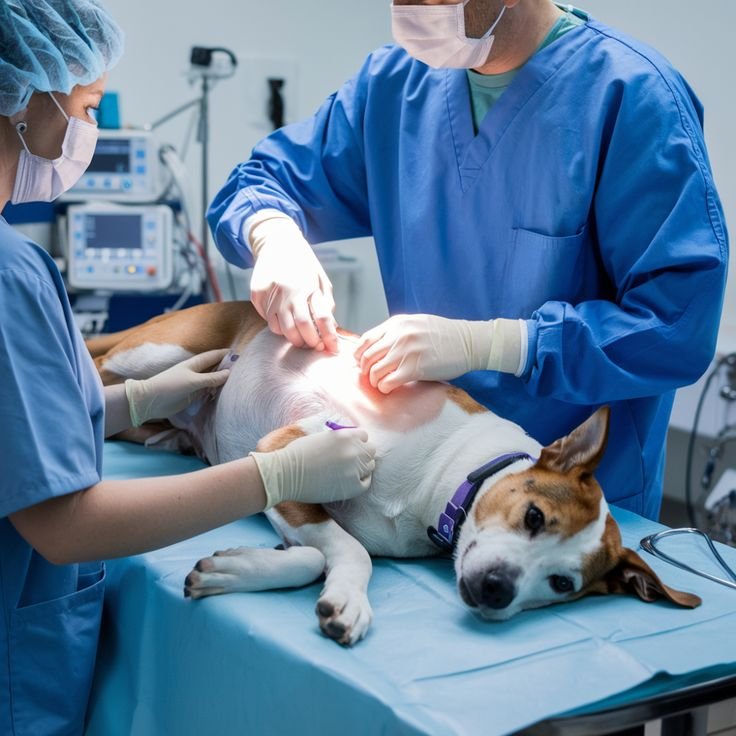
  • Safe, comfortable treatment — A dog or cat under appropriate anaesthesia is not in pain or distress during the procedure. A conscious pet being restrained for dental work is both unsafe and traumatising.

Modern anaesthetic protocols are very safe. Before every dental procedure at Diamond Claw, we perform pre-anaesthetic blood work to ensure your pet is healthy for anaesthesia, and your pet is monitored continuously throughout the procedure.

On the topic of anaesthesia-free dental cleaning — these are offered by some non-veterinary providers and may appear appealing. However, the AVDC and the AVMA strongly oppose them. They clean only the visible surface of the teeth, cannot address the most clinically significant disease below the gumline, and may give owners a false sense of reassurance that their pet’s dental health is being managed when it is not.


Home Dental Care: Building a Routine That Your Pet Will Tolerate

Professional dental cleanings are essential, but the work that happens at home between visits is what truly slows disease progression. Here is what the evidence supports:


Daily Toothbrushing — Still the Gold Standard

Daily brushing is the single most effective home strategy for preventing plaque accumulation and slowing periodontal disease. Use a soft-bristled toothbrush designed for pets and a pet-specific toothpaste — never use human toothpaste, which contains fluoride and sometimes xylitol, both toxic to pets. Pet toothpastes come in flavours like chicken, beef, and malt that most dogs and cats find acceptable.

If your pet is not accustomed to having their mouth touched, introduce brushing gradually:

  1. Start by letting them taste the toothpaste from your finger
  2. Gently rub your finger along the outer gum surface for a few days
  3. Introduce the toothbrush slowly, brushing just a few teeth initially
  4. Build up over one to two weeks until you can brush the full mouth
  5. Keep sessions short, calm, and followed by praise and a treat

Daily brushing is ideal, but even three to four times per week provides meaningful benefit over no brushing at all.

Dental Treats and Chews with the VOHC Seal

The Veterinary Oral Health Council (VOHC) reviews dental products for pets and awards its seal to those that have been clinically shown to reduce plaque or tartar accumulation. When choosing dental treats or chews, look for this seal — it means the product has been held to an evidence standard, not just marketed as “dental” without supporting data.

Note: treats and chews help — they do not replace brushing.

Dental Diets

Certain prescription and commercial dental kibble formulas are designed with a unique fibre matrix that creates a mild mechanical scrubbing action as the pet chews. These can be useful for pets that refuse all forms of dental homecare, and some carry the VOHC seal.

Water Additives

Tasteless, odourless water additives designed to reduce oral bacterial load are available through veterinary clinics. They are one of the easiest additions to a pet’s routine, especially as a supplement when brushing is not yet possible.


How Often Does My Pet Need a Professional Dental Cleaning?

Most adult dogs and cats benefit from a professional veterinary dental cleaning once a year. However, individual needs vary based on:

  • Breed — Small-breed dogs (such as Chihuahuas, Yorkshire Terriers, Maltese, Shih Tzus, and Miniature Poodles) have teeth crowded into smaller jaws and tend to accumulate tartar faster. Many small-breed dogs benefit from dental cleanings every six months.
  • Age — Senior pets generally need more frequent assessment
  • Home care consistency — Pets whose owners brush regularly tend to have slower disease progression
  • Individual anatomy — Some pets simply produce more tartar than others regardless of diet or care

Your veterinarian at Diamond Claw will assess your pet’s dental health at every wellness exam and recommend a cleaning schedule appropriate for your individual pet.


A Note for Sharjah Pet Owners: Breed Considerations

Several dog breeds that are popular among pet owners in Sharjah and across the UAE are also among those most predisposed to early and severe dental disease. Brachycephalic breeds — dogs with flat faces such as French Bulldogs, English Bulldogs, Pugs, and Shih Tzus, as well as flat-faced cats like Persians — often have crowded, rotated, or missing teeth due to their skull structure, which creates pockets where bacteria and tartar accumulate rapidly. If you own one of these breeds, earlier and more frequent dental assessments are especially important.

Conclusion

Dental disease is the most common condition diagnosed in adult dogs and cats — and it is almost entirely preventable. What it requires is not complicated: regular professional cleanings, consistent home care, and the willingness to open your pet’s mouth and look.

The mouth is not a separate system from the rest of the body. What happens there affects the heart, the kidneys, and the overall quality of your pet’s life. Protecting your pet’s teeth is protecting your pet.

Flea and Tick Prevention for Pets in Sharjah: A Year-Round Guide From Your Vet

One of the most common things we hear from pet owners at Diamond Claw Veterinary Clinic in Sharjah is this: “Do I really need flea and tick prevention? We live in the UAE — it’s too hot and dry for parasites.”

It is a completely understandable assumption. But unfortunately, it is not accurate — and acting on it can leave your pet unprotected against infestations and the diseases that come with them.

Sharjah’s climate does not eliminate the flea and tick problem. In some ways, it creates ideal conditions for it. This guide explains the real parasite risk for pets in the UAE, how infestations happen, and what an effective, vet-recommended prevention plan actually looks like — year-round.

Why Sharjah's Climate Does Not Protect Your Pet From Parasites

Many pet owners associate fleas and ticks with cold-climate countries. The truth is more nuanced. Parasites are not eliminated by heat — they simply adapt.

Fleas thrive in warm environments and can survive year-round in air-conditioned homes, which maintain the cool, stable temperatures they need to complete their life cycle. The flea you see on your pet is only a fraction of the problem. Up to 95% of a flea infestation exists as eggs, larvae, and pupae in carpets, bedding, furniture, and floor crevices — not on the animal. This means that even if your pet rarely goes outside, a single flea hitchhiking in on clothing, a visitor’s bag, or a passing animal can seed your home environment rapidly.

Ticks in the UAE are also a genuine concern. Several tick species are present across the region, and they are found in grassy areas, desert scrubland, parks, pet boarding facilities, and anywhere that wildlife — including stray cats, dogs, and rodents — are present. Ticks are not eliminated by heat and can survive in the UAE environment throughout the year.

Veterinary organisations globally, including the World Association for the Advancement of Veterinary Parasitology, recommend year-round parasite prevention for pets in warm climates precisely because the seasonal “off period” that exists in colder countries simply does not apply. In Sharjah, every month is warm enough for fleas and ticks to remain active.


Why Flea and Tick Prevention Is About More Than Itching

Fleas and ticks are not just uncomfortable — they carry real health risks for your pet and, in some cases, your family.

What Fleas Can Cause

Flea Allergy Dermatitis (FAD): The most common flea-related problem we see clinically. Some pets are hypersensitive to flea saliva, and a single flea bite can trigger an intense allergic reaction involving severe itching, hair loss, hot spots, and skin infections. Pets with FAD do not need a large infestation to suffer — one bite is enough.

Tapeworm infection: Fleas are the intermediate host for Dipylidium caninum, a common tapeworm in dogs and cats. Pets become infected by swallowing a flea during grooming. This is why flea prevention and deworming are closely linked — controlling one is part of controlling the other.

Anaemia in young or small pets: A severe flea infestation in a puppy, kitten, or small pet can cause significant blood loss, leading to anaemia that requires urgent veterinary treatment.

What Ticks Can Cause

Ticks feed by attaching to the skin and consuming blood over hours to days. Beyond the discomfort and localised irritation this causes, ticks transmit pathogens that cause serious illnesses in dogs, including tick-borne diseases that affect the blood cells, lymph nodes, and multiple organ systems.

Tick paralysis — a condition caused by toxins in the saliva of certain tick species — can cause progressive weakness and, in severe cases, respiratory failure. It resolves when the tick is removed, but requires careful handling.

Zoonotic Risk

Some tick-borne diseases can also affect humans. Households with young children, elderly family members, or immunocompromised individuals should be particularly attentive to tick prevention for their pets, as pets can bring ticks into the home environment.

Ask Us About the Best Flea and Tick Prevention for Your Pet


At Diamond Claw Veterinary Clinic in Sharjah, we’ll help you choose the right prevention plan based on your pet’s individual needs and lifestyle. Book a consultation or wellness exam today — it takes one visit to set up a protection plan that lasts all year.


📞 Call Diamond Claw Veterinary Clinic | 💻 Book online | 📍 Visit us in Sharjah


Year-round prevention is the simplest gift you can give your pet.

Types of Flea and Tick Prevention: What Works and What to Know

The good news is that modern veterinary flea and tick prevention products are highly effective and generally safe when used correctly. The main types available include:

Oral Preventatives (Chewable Tablets)

Oral flea and tick preventatives are given by mouth, typically monthly or quarterly depending on the product. They work systemically — meaning the active ingredient circulates in the bloodstream and kills parasites when they bite. They are not washed off by bathing or swimming, making them convenient and reliable for active dogs.

Vet note: Certain oral flea and tick products approved for dogs are toxic to cats. This is not a minor concern — using the wrong product in the wrong species, or allowing a cat to groom a dog who has recently been treated, can cause neurological toxicity in cats. Always use species-specific products under veterinary guidance.

Topical Spot-On Treatments

Applied to the skin at the back of the neck, spot-on treatments are absorbed into the skin or coat and kill or repel parasites on contact. They are applied monthly in most formulations. They are effective but can be temporarily washed off, so bathing should typically be avoided for 48 hours after application.

Tick Collars

Medicated tick collars release active ingredients that repel and kill ticks over extended periods — some provide up to eight months of protection. They are particularly useful as an additional layer of protection for dogs in high-exposure environments.


What Doesn’t Work

Homemade remedies including essential oils, garlic supplements, and herbal sprays are frequently promoted online as “natural” flea and tick prevention. Veterinary evidence does not support their effectiveness, and many are genuinely harmful — garlic is toxic to pets, and certain essential oils cause neurological toxicity in cats. Please do not rely on these in place of evidence-based prevention.


Choosing the Right Product for Your Pet in Sharjah

The right flea and tick prevention product for your pet depends on:

  • Species (dog or cat — these are not interchangeable)
  • Age and weight — Products are dosed by body weight; using the wrong size can result in under-dosing (ineffective) or overdosing (harmful)
  • Health status — Some ingredients interact with medical conditions or other medications
  • Lifestyle — A dog that visits grooming salons, dog parks, or boarding facilities has higher exposure risk than one that rarely leaves the apartment

This is why we recommend discussing flea and tick prevention at every wellness visit at Diamond Claw, rather than choosing a product based solely on price or availability at the pet shop. Some products sold over the counter in UAE pet stores are less effective or carry a higher risk of adverse reactions than veterinary-recommended formulations.


Signs Your Pet May Already Have a Flea or Tick Infestation

Signs of fleas:

  • Persistent scratching, especially around the neck, base of the tail, and abdomen
  • Hair loss or patches of irritated, reddened skin
  • “Flea dirt” — tiny dark specks in the coat that dissolve into a reddish-brown stain on a damp white paper towel (this is digested blood)
  • Restlessness and excessive grooming
  • Visible tiny fast-moving insects in the coat (though they are often difficult to spot)

Signs of ticks:

  • Small bumps on the skin, particularly in areas where the coat is thinner — ears, between toes, around the face, groin, and armpits
  • A tick may appear as a smooth dark growth attached at the skin

If you find a tick on your pet, do not twist, squeeze, or attempt to burn it off. Use fine-tipped tweezers or a proper tick removal tool to grasp the tick as close to the skin as possible and pull straight out with steady, even pressure. Contact Diamond Claw if you are unsure how to remove a tick safely, or if your pet shows signs of illness following a tick attachment.


A Simple Prevention Plan for Pet Owners in Sharjah


StepActionFrequency
1Use vet-recommended flea and tick prevention productMonthly or as directed
2Check your pet’s coat after outdoor visitsAfter every outing
3Wash pet bedding in hot waterWeekly
4Vacuum carpets, rugs, and soft furniture regularlyAt least twice weekly
5Treat all pets in the household simultaneouslyWhen treating any one pet
6Discuss your prevention plan with your vetAt every wellness visit


Important: If one pet in your home has fleas, all pets must be treated — even those who appear unaffected. Flea eggs in the environment will continue reinfesting untreated animals indefinitely.

Conclusion

Flea and tick prevention is not a seasonal or optional part of pet care in Sharjah — it is a year-round commitment that protects your pet from unnecessary suffering, disease, and the expense of treating a full infestation. The most effective approach combines the right vet-recommended product, consistent application, and environmental control.

Do not wait until you see a problem. Prevention is always faster, simpler, and less costly than treatment.

post-9

Pet Vaccinations in Sharjah | Diamond Claw Vet Clinic Guide

If you’re a pet owner living in Sharjah, you already know how much joy your dog or cat brings into your home. But protecting that joy means protecting their health — and one of the most important things you can do is keep your pet’s vaccinations up to date.

In the UAE, pet vaccinations aren’t just a health recommendation. They’re a legal requirement tied to pet registration, and they protect your pet, your family, and the wider Sharjah community from serious, often fatal diseases.

At Diamond Claw Veterinary Clinic in Sharjah, we see pet owners every week who have questions about which vaccines their pet actually needs, when boosters are due, and how vaccination rules work here in the UAE. This guide answers all of it clearly — so you can make confident decisions about your pet’s care.


Why Vaccinations Matter for Pets in Sharjah

Vaccines train your pet’s immune system to recognize and fight specific diseases before they take hold. For pets in Sharjah and across the Northern Emirates, this matters for a few specific local reasons:

  • Rabies risk from wildlife. While the UAE has worked hard to remain largely free of rabies in domestic animals, the virus can still exist in wildlife such as foxes and bats. Even strictly indoor cats can be exposed if they slip outside even briefly.
  • High-density pet communities. Sharjah’s growing population of pets in apartments, villas, and shared compounds means more contact between animals at parks, grooming salons, and boarding facilities — increasing the importance of core protection.
  • Legal compliance. Vaccination is tied directly to pet registration and microchip records in the UAE, and an up-to-date rabies certificate is required for registration, boarding, grooming in many facilities, and pet travel.

Beyond compliance, vaccinated pets are simply safer pets — for themselves and for every animal and person they come into contact with.

Core vs. Non-Core Vaccines: What Your Pet Actually Needs

Core Vaccines (Required for Every Dog and Cat)

These protect against diseases that are highly contagious, severe, or — in the case of rabies — dangerous to humans as well.

For Dogs:

  • Rabies — Legally required; fatal once symptoms appear; protects pets, owners, and the community
  • Canine Distemper — Affects the nervous, respiratory, and digestive systems; often fatal
  • Canine Parvovirus — Highly contagious; causes severe vomiting and bloody diarrhea
  • Canine Adenovirus (Hepatitis) — Causes serious liver damage

For Cats:

  • Rabies — Required even for indoor-only cats
  • Feline Panleukopenia (Feline Distemper) — Highly contagious and often fatal, especially in kittens
  • Feline Herpesvirus & Calicivirus — The leading causes of upper respiratory infections in cats
Non-Core Vaccines (Based on Lifestyle and Risk)

For Dogs: Bordetella (Kennel Cough) for dogs that visit grooming salons, daycare, or dog parks; Canine Influenza for dogs in high-contact settings.

For Cats: Feline Leukemia Virus (FeLV) for cats with outdoor access or contact with other cats.

Your veterinarian at Diamond Claw will assess your pet’s specific lifestyle to recommend which non-core vaccines make sense.


Puppy and Kitten Vaccination Schedule

Young animals are especially vulnerable because their immune systems are still developing. In the UAE, the first rabies vaccination is given no earlier than 12 weeks of age, alongside the standard core vaccine series.

Puppies
AgeVaccines
6–8 weeksDistemper, Parvovirus, Hepatitis (DA2PP)
9–12 weeksDA2PP booster, Bordetella (if recommended)
12–16 weeksDA2PP booster, Rabies (first dose, per UAE requirement)
12–16 monthsDA2PP booster, Rabies booster
Annually thereafterRabies booster (mandatory) + other boosters as advised
Kittens
AgeVaccines
8 weeksFVRCP (Rhinotracheitis, Calicivirus, Panleukopenia)
12 weeksFVRCP booster, FeLV (if recommended)
16 weeksFVRCP booster, Rabies (first dose)
12–16 monthsBoosters
Annually thereafterRabies booster (mandatory) + other boosters as advised
Book Your Pet’s Vaccination at Diamond Claw Veterinary Clinic, Sharjah

Don’t wait until a missed booster becomes a bigger problem. Book a vaccination appointment with our team in Sharjah today, and let us help you keep your pet protected and your records fully compliant.


📞 Call Diamond Claw Veterinary Clinic | 💻 Book your appointment online | 📍 Visit us in Sharjah


Preventive care today saves heartbreak tomorrow — and keeps tails wagging across Sharjah.

Do Adult and Senior Pets in Sharjah Still Need Boosters?

Yes — every year, without exception, for rabies. This is one of the most common misunderstandings we encounter at our clinic. Many owners assume that once a pet completes its puppy or kitten series, it’s protected for life. In reality:

  • Rabies vaccination must be renewed annually to remain legally valid and to keep your pet’s registration current
  • If a pet’s rabies vaccination lapses by more than a year, the vaccination schedule typically needs to restart
  • Other core vaccine immunity also fades over time without boosters
  • Senior pets, whose immune systems are naturally weaker, need continued protection just as much as — sometimes more than — younger pets

An annual wellness exam at Diamond Claw is the ideal time to review your pet’s vaccination record, update what’s due, and keep your registration documents current.


Pet Vaccination Rules and Registration in Sharjah

Here’s what pet owners in Sharjah should know:

  • All dogs and cats must be vaccinated against rabies annually, with vaccination records kept current as part of pet ownership compliance
  • Your pet’s rabies vaccination is recorded against their microchip — microchipping must happen before the rabies vaccine is administered
  • A valid, up-to-date vaccination certificate is typically required for grooming, boarding, pet travel, and registration purposes
  • If you’re relocating internationally with your pet, vaccination and permit requirements for export are coordinated through the relevant authority — and timing matters, since health certificates and titer tests have strict validity windows

If you’re unsure whether your pet’s documentation is current or complete, bring your pet’s vaccination booklet to Diamond Claw and our team will review it with you.

Are Vaccines Safe? Addressing Common Concerns

Vaccines are among the most thoroughly tested interventions in veterinary medicine. Most pets tolerate them with no issues at all. Some may show mild, short-lived effects such as:

  • Slight tenderness at the injection site
  • Mild tiredness for 24–48 hours
  • Temporary decrease in appetite

These typically resolve on their own within a day or two. Serious reactions are rare, but if your pet shows facial swelling, vomiting, difficulty breathing, or sudden collapse after a vaccine, contact Diamond Claw immediately.

The risk posed by a vaccine reaction is far smaller than the risk posed by the diseases vaccines prevent.


Signs Your Pet’s Vaccinations May Be Out of Date

  • You’re unsure of your pet’s full vaccination history
  • Your pet was adopted, rescued, or recently relocated to Sharjah
  • It’s been more than a year since your pet’s last vet visit
  • Your pet has had recent contact with unfamiliar animals, including at parks or boarding facilities

If any of these apply, schedule a visit. Our vets can review existing records, run titer testing if needed, and bring your pet’s protection — and documentation — up to date.


Conclusion

Vaccinations are one of the simplest, most effective things you can do to protect your pet — and they’re not optional in the UAE. Keeping your dog or cat current isn’t just about avoiding fines; it’s about giving them a real shield against diseases that are difficult, expensive, or impossible to treat once symptoms appear.

If you’re unsure where your pet stands, the best next step is a quick check-in with a vet who knows the local rules and your pet’s history.