
 Diamond Claw Clinical Team
Pet Dental Health in Sharjah: Why Your Dog or Cat’s Teeth Matter More Than You Think
Here is something most pet owners in Sharjah don’t know: according to the American Veterinary Medical Association, between 80 and 90 percent of dogs and cats show evidence of periodontal disease by the time they reach three years of age.
Read that again. The majority of pets — including yours, possibly — are walking around with a painful, progressive dental condition that their owners cannot see and that the pet is working hard not to show.
At Diamond Claw Veterinary Clinic in Sharjah, dental disease is one of the most common conditions we diagnose. And it is also one of the most preventable. The challenge is that by the time most owners notice something is wrong — bad breath, reluctance to eat, a visible broken tooth — the disease has usually been quietly progressing for months or years.
This guide explains what is actually happening inside your pet’s mouth, why it affects their whole body, and exactly what you can do about it — starting today.
What Is Periodontal Disease, and Why Does It Matter?
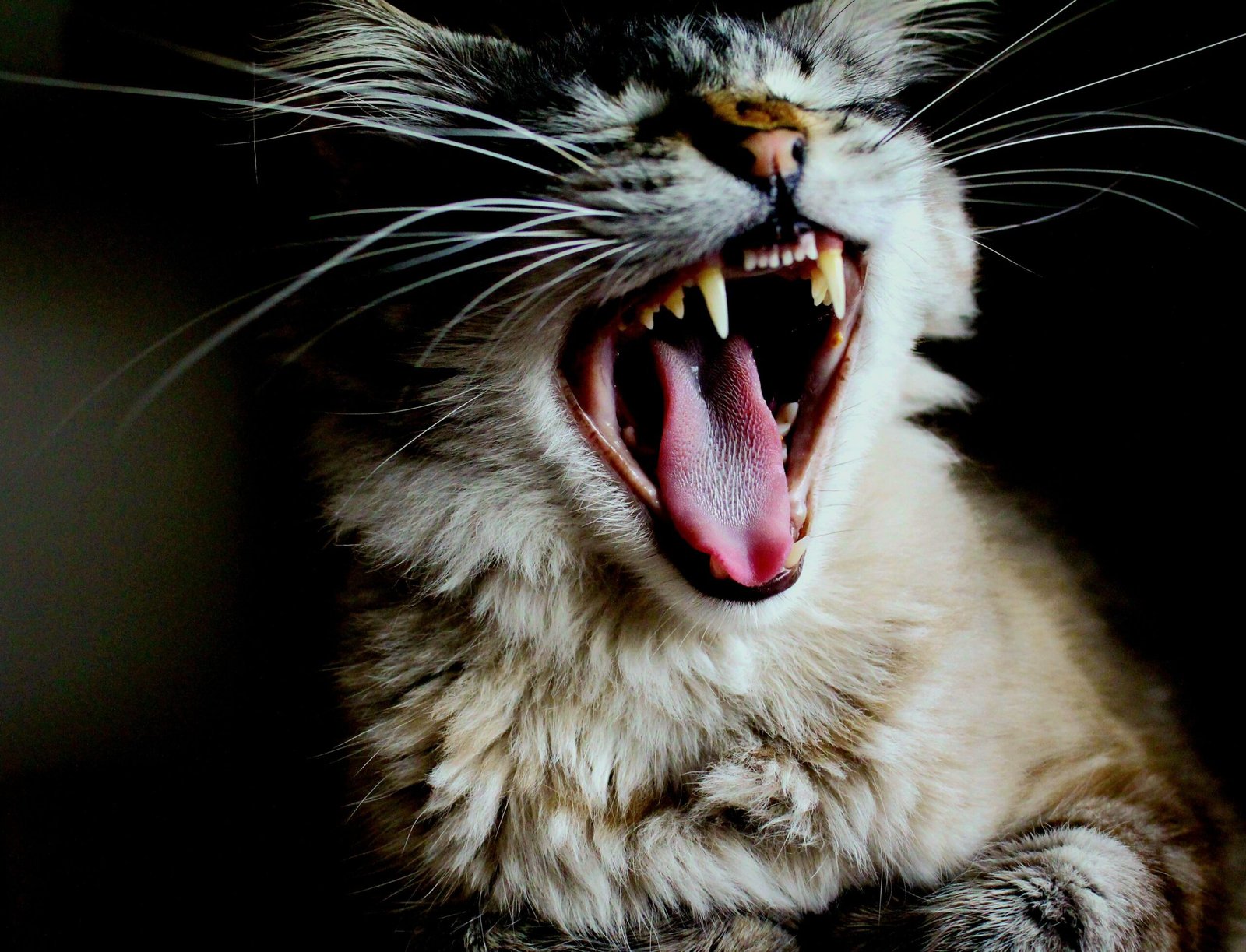
Periodontal disease is a progressive bacterial infection of the structures that support the teeth — the gums, the ligaments, and the bone around each tooth root. It begins with the accumulation of plaque (a film of bacteria and food particles) on the tooth surface. When plaque is not removed, it mineralises into tartar — the hard yellowish-brown crust you may have noticed on your pet’s teeth. Tartar irritates the gums and creates the conditions for bacteria to work their way deeper, below the gumline, where the real damage begins.
The American Veterinary Dental College (AVDC) classifies periodontal disease in four stages:
Stage 1 — Gingivitis: Gum redness and mild inflammation. No bone loss yet. Fully reversible with professional cleaning and consistent home care. This is the ideal time to intervene.
Stage 2 — Early Periodontitis: Tartar visible on teeth, gum inflammation increasing, early loss of the attachment between the tooth and supporting structures. Still treatable, but no longer fully reversible.
Stage 3 — Moderate Periodontitis: Significant bone loss around the tooth roots. Bacteria have established themselves in gum pockets. This stage causes genuine, ongoing pain — even if your pet shows no obvious signs of discomfort. Some teeth may need to be extracted.
Stage 4 — Advanced Periodontitis: Severe bone and tissue destruction. Teeth may be loose, dead, or abscessed. Significant pain and infection. At this stage, oral surgery and multiple extractions are often required.
Research has found that periodontitis is diagnosed in over 80% of dogs by the age of two, and rates increase significantly with age — with one study identifying disease in 96% of dogs between 12 and 14 years of age.
It’s Not Just a Mouth Problem — Dental Disease Affects the Whole Body
This is the part that surprises most pet owners the most.
When bacteria accumulate in the deep pockets of infected gums, they don’t stay in the mouth. They enter the bloodstream through inflamed, damaged gum tissue — a process that occurs regularly, and repeatedly, in pets with untreated periodontal disease. Once in circulation, these bacteria and the inflammatory signals they trigger can reach the heart, kidneys, and liver.
The associations between periodontal disease and systemic organ disease in pets are well documented in veterinary literature. In particular, the kidneys are vulnerable — one research study examining the relationship between dental disease and kidney biomarkers found that periodontal disease is associated with measurable changes in kidney function markers in both dogs and cats. This is especially significant because kidney disease is already common in older cats, and dental disease can accelerate its progression.
This is why at Diamond Claw we treat dental health as an internal medicine issue, not just a cosmetic one. A healthy mouth is part of a healthy body.
Signs That Your Pet May Have Dental Disease
Because pets are naturally inclined to hide pain and discomfort, dental disease is often silent until it is advanced. The AVDC notes that white-looking teeth are not a reliable indicator of oral health — the most serious disease exists beneath the gumline, invisible to the naked eye without dental X-rays.
That said, watch for these signs at home:
Early indicators:
- Persistent bad breath — not just post-meal odour, but an ongoing, unpleasant smell from the mouth
- Visible yellowish or brown buildup on the teeth, particularly along the gumline
- Red, swollen, or slightly bleeding gums when touched
- Excessive drooling
Signs of more advanced disease:
- Reluctance to chew hard food, or dropping food while eating
- Chewing consistently on one side of the mouth
- Pawing at the face or mouth
- Visible broken, discoloured, or loose teeth
- Swelling or asymmetry around the jaw or face
- Changes in behaviour — becoming quieter, more irritable, or less interested in play (often a sign of chronic pain that the pet cannot express)
If you notice any of these signs, do not wait for your next scheduled visit. Book a dental examination at Diamond Claw as soon as possible.
Book a Dental Check at Diamond Claw Veterinary Clinic, Sharjah
Is your pet due for a dental exam? Our team in Sharjah is here to assess your pet’s oral health, guide you through a home care routine, and recommend a professional cleaning plan tailored to your pet’s specific needs.
📞 Call Diamond Claw Veterinary Clinic | 💻 Book your dental appointment online | 📍 Visit us in Sharjah
A healthy mouth is the start of a healthier, longer, happier life for your pet.
Professional Dental Cleaning: What Happens and Why Anaesthesia Is Necessary
Many pet owners ask us whether anaesthesia is really necessary for a dental cleaning. It is a fair question, and the answer is always yes — for very good clinical reasons.
A veterinary dental cleaning is not the same as a visual scrape of the visible tooth surface. A thorough, medically meaningful dental assessment and cleaning requires:
- Full-mouth dental X-rays — The majority of each tooth exists below the gumline, in bone. Bone loss, root abscesses, and early disease are invisible without radiographs. Without X-rays, a cleaning is essentially incomplete.
- Subgingival cleaning — Bacteria accumulate most destructively in the pockets beneath the gumline. Cleaning these areas requires fine instruments and a completely still patient.
- Periodontal probing — Each tooth must be assessed individually for pocket depth, attachment loss, and root health.
- Safe, comfortable treatment — A dog or cat under appropriate anaesthesia is not in pain or distress during the procedure. A conscious pet being restrained for dental work is both unsafe and traumatising.
Modern anaesthetic protocols are very safe. Before every dental procedure at Diamond Claw, we perform pre-anaesthetic blood work to ensure your pet is healthy for anaesthesia, and your pet is monitored continuously throughout the procedure.
On the topic of anaesthesia-free dental cleaning — these are offered by some non-veterinary providers and may appear appealing. However, the AVDC and the AVMA strongly oppose them. They clean only the visible surface of the teeth, cannot address the most clinically significant disease below the gumline, and may give owners a false sense of reassurance that their pet’s dental health is being managed when it is not.
Home Dental Care: Building a Routine That Your Pet Will Tolerate
Professional dental cleanings are essential, but the work that happens at home between visits is what truly slows disease progression. Here is what the evidence supports:
Daily Toothbrushing — Still the Gold Standard
Daily brushing is the single most effective home strategy for preventing plaque accumulation and slowing periodontal disease. Use a soft-bristled toothbrush designed for pets and a pet-specific toothpaste — never use human toothpaste, which contains fluoride and sometimes xylitol, both toxic to pets. Pet toothpastes come in flavours like chicken, beef, and malt that most dogs and cats find acceptable.
If your pet is not accustomed to having their mouth touched, introduce brushing gradually:
- Start by letting them taste the toothpaste from your finger
- Gently rub your finger along the outer gum surface for a few days
- Introduce the toothbrush slowly, brushing just a few teeth initially
- Build up over one to two weeks until you can brush the full mouth
- Keep sessions short, calm, and followed by praise and a treat
Daily brushing is ideal, but even three to four times per week provides meaningful benefit over no brushing at all.
Dental Treats and Chews with the VOHC Seal
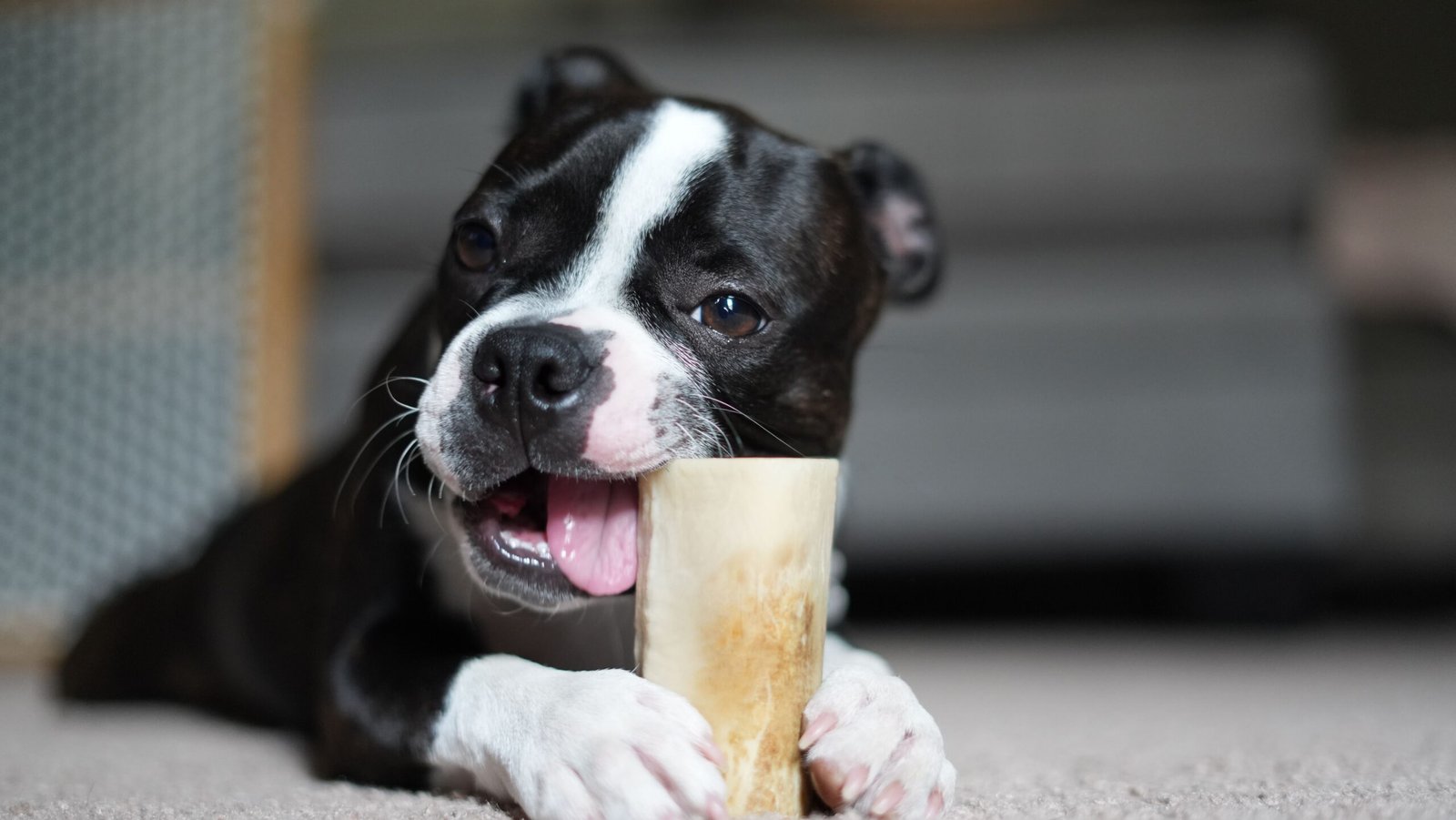
The Veterinary Oral Health Council (VOHC) reviews dental products for pets and awards its seal to those that have been clinically shown to reduce plaque or tartar accumulation. When choosing dental treats or chews, look for this seal — it means the product has been held to an evidence standard, not just marketed as “dental” without supporting data.
Note: treats and chews help — they do not replace brushing.
Dental Diets
Certain prescription and commercial dental kibble formulas are designed with a unique fibre matrix that creates a mild mechanical scrubbing action as the pet chews. These can be useful for pets that refuse all forms of dental homecare, and some carry the VOHC seal.
Water Additives
Tasteless, odourless water additives designed to reduce oral bacterial load are available through veterinary clinics. They are one of the easiest additions to a pet’s routine, especially as a supplement when brushing is not yet possible.
How Often Does My Pet Need a Professional Dental Cleaning?
Most adult dogs and cats benefit from a professional veterinary dental cleaning once a year. However, individual needs vary based on:
- Breed — Small-breed dogs (such as Chihuahuas, Yorkshire Terriers, Maltese, Shih Tzus, and Miniature Poodles) have teeth crowded into smaller jaws and tend to accumulate tartar faster. Many small-breed dogs benefit from dental cleanings every six months.
- Age — Senior pets generally need more frequent assessment
- Home care consistency — Pets whose owners brush regularly tend to have slower disease progression
- Individual anatomy — Some pets simply produce more tartar than others regardless of diet or care
Your veterinarian at Diamond Claw will assess your pet’s dental health at every wellness exam and recommend a cleaning schedule appropriate for your individual pet.
A Note for Sharjah Pet Owners: Breed Considerations
Several dog breeds that are popular among pet owners in Sharjah and across the UAE are also among those most predisposed to early and severe dental disease. Brachycephalic breeds — dogs with flat faces such as French Bulldogs, English Bulldogs, Pugs, and Shih Tzus, as well as flat-faced cats like Persians — often have crowded, rotated, or missing teeth due to their skull structure, which creates pockets where bacteria and tartar accumulate rapidly. If you own one of these breeds, earlier and more frequent dental assessments are especially important.
Conclusion
Dental disease is the most common condition diagnosed in adult dogs and cats — and it is almost entirely preventable. What it requires is not complicated: regular professional cleanings, consistent home care, and the willingness to open your pet’s mouth and look.
The mouth is not a separate system from the rest of the body. What happens there affects the heart, the kidneys, and the overall quality of your pet’s life. Protecting your pet’s teeth is protecting your pet.