
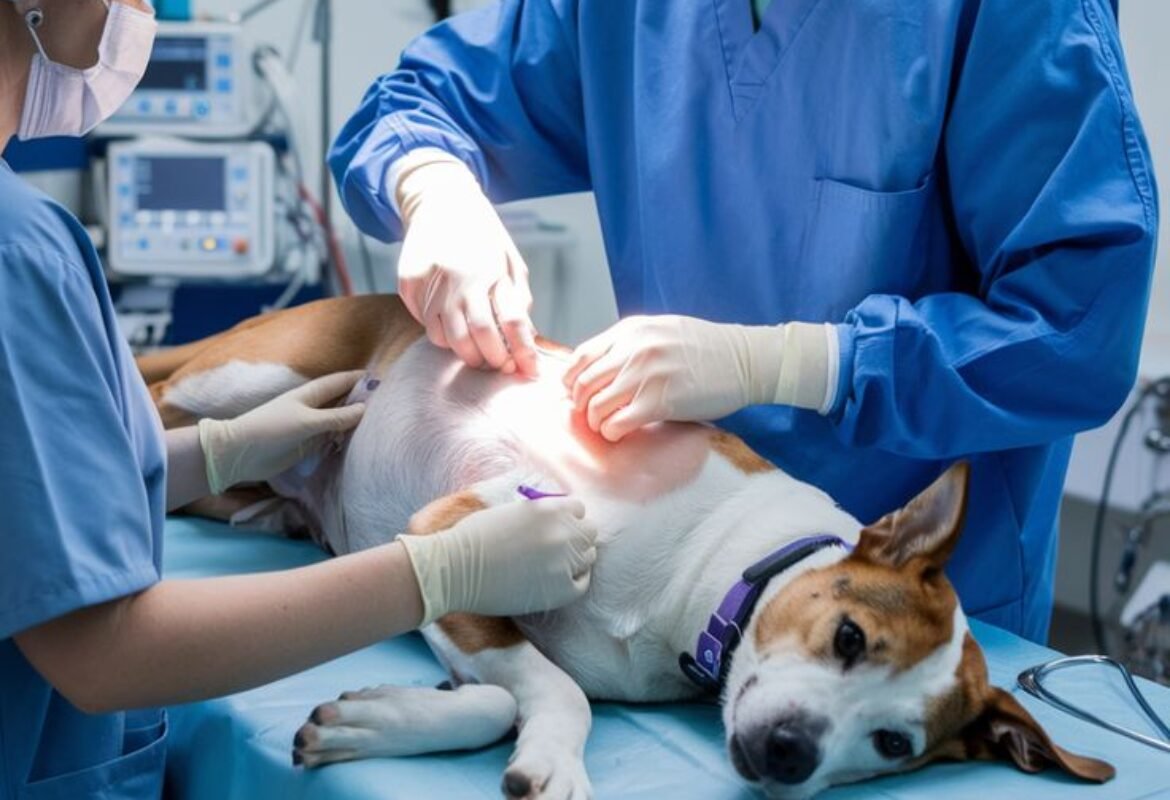
 Diamond Claw Clinical Team
Your Puppy’s First Year in Sharjah: A Complete Veterinary Care Guide
Bringing home a new puppy is one of the most joyful experiences a family can have. It is also one of the most important seasons in that puppy’s life — because what happens in the first twelve months shapes their health, behaviour, and quality of life for years to come.
At Diamond Claw Veterinary Clinic in Sharjah, we work with new puppy owners every week. The questions are often the same: When do they need their first vaccine? When should I bring them in? What should I feed them? When can they go outside? This guide answers all of it — clearly, step by step, in the order you need it.


Week 1: Before Your Puppy Even Comes Home
Good puppy care begins before your puppy arrives. Use this window to:
Find a veterinarian you trust. Your first vet visit should happen within the first 48 to 72 hours of bringing your puppy home — ideally within the first few days, even if the puppy appears healthy. Early assessment is important because some congenital or health issues in puppies are not visible to the untrained eye.
Prepare your home. Remove accessible toxic plants (sago palms are common in UAE gardens and highly toxic to dogs), secure cleaning products, keep human medications locked away, and use baby gates to limit access to stairs and unsupervised areas. Puppies explore with their mouths — assume everything on the floor is fair game.
Buy the right food. Choose a puppy-specific, complete and balanced food appropriate for your puppy’s expected adult size. If you have a large-breed puppy (expected adult weight over 25 kg), choose a large-breed puppy formula specifically.
The First Vet Visit: What to Expect
According to AAHA guidelines, puppies should have their first veterinary visit at 6 to 8 weeks of age — or as soon as you bring them home if they are older. At Diamond Claw, this visit typically includes:
- A full nose-to-tail physical examination
- Assessment of body weight and body condition
- Review of any existing vaccine or deworming records
- Beginning of the core vaccine series if due
- Discussion of deworming and flea prevention
- Microchipping — ideally done at this first visit if not already done
- A personalised plan for the next 12 months of care
Bring any paperwork or records from the breeder, shelter, or previous owner. Even incomplete records help us build a clearer picture of where your puppy’s health journey stands.
Puppy Vaccination Schedule: Month by Month
Vaccinations are the most important medical intervention of your puppy’s first year. Puppies are born with some temporary immunity from their mother’s antibodies (transmitted through the first milk, or colostrum), but this immunity fades during the first weeks of life, leaving a window of vulnerability that vaccines must fill.
The reason puppies need a series of vaccinations given several weeks apart — rather than a single early shot — is that maternal antibodies in the bloodstream can interfere with vaccine effectiveness. By giving multiple doses across the vulnerable window, we ensure your puppy builds their own protective immunity as maternal protection fades.
Recommended puppy vaccination schedule in the UAE:
| Age | Vaccines |
|---|---|
| 6–8 weeks | DA2PP (Distemper, Adenovirus, Parvovirus, Parainfluenza) |
| 10–12 weeks | DA2PP booster; Bordetella if recommended |
| 14–16 weeks | DA2PP booster; Rabies (first dose — minimum 12 weeks per UAE requirements) |
| 12–16 months | DA2PP booster; Rabies booster |
| Annually thereafter | Rabies (legally required) + core boosters as advised |
Note: Rabies vaccination is a legal requirement in the UAE and must be given no earlier than 12 weeks of age. It is recorded against your puppy’s microchip and is required for registration, boarding, and travel.
Bring Your New Puppy to Diamond Claw Today
Your puppy’s first vet visit should happen within the first few days of bringing them home. Book an appointment at Diamond Claw Veterinary Clinic in Sharjah and let our team set your puppy up for the healthiest possible start to life.
📞 Call us | 💻 Book online | 📍 Visit Diamond Claw Veterinary Clinic, Sharjah
Every great dog story starts with one good first year. Let’s build it together.
Deworming: Starting Early and Staying Consistent
Puppies are frequently born with intestinal parasites inherited from their mother, even when the mother appears healthy and is kept in clean conditions. This is not a reflection of poor care — it is a biological reality of how certain parasites transmit.
Deworming should begin as early as 2 to 3 weeks of age in most puppies and continue on a schedule throughout the first year and beyond. At Diamond Claw, we will assess your puppy’s parasite status at each visit and recommend the appropriate deworming schedule based on their age, risk factors, and the parasites common in our region.
Common intestinal parasites in UAE puppies include roundworms, hookworms, and tapeworms. Some of these can be transmitted to humans — particularly children — making deworming a family health matter, not just a pet health one.
Microchipping: Non-Negotiable in the UAE
Microchipping is a permanent, painless form of identification — a tiny chip, about the size of a grain of rice, injected under the skin between the shoulder blades. It carries a unique number linked to your contact details in a pet registry.
In the UAE, microchipping is required for pet registration, and it must be done before the rabies vaccine is administered. It is also required for international travel.
Beyond compliance, microchipping dramatically increases the chance of being reunited with your pet if they are ever lost. Unlike collars and tags, microchips cannot fall off. At Diamond Claw, we routinely microchip puppies at their first visit.
Feeding Your Puppy: Getting the Foundation Right
Puppies have significantly higher nutritional demands than adult dogs. They need more protein, more calories, and specific ratios of calcium and phosphorus to support rapid bone and muscle development.
Key feeding principles for puppies:
Feed a puppy-specific, complete and balanced formula appropriate for your puppy’s expected adult size. For large and giant breeds, this distinction is critical — excessive calcium and calorie intake during growth phases in large breeds is associated with developmental bone problems.
Feed three to four small meals per day for puppies under six months, transitioning to two meals per day from six months onward.
Do not supplement a complete commercial puppy food with calcium, cod liver oil, or similar supplements without veterinary guidance. Over-supplementation of calcium in growing puppies is a documented cause of orthopaedic disease.
Always ensure fresh water is available. In Sharjah’s heat, hydration is particularly important — even puppies who seem to drink well should have their water topped up regularly throughout the day.
Socialisation: The Window You Cannot Afford to Miss
The socialisation period in puppies runs approximately from 3 to 12–14 weeks of age. During this time, the brain is forming the neural pathways that determine how a dog responds to the world throughout their life. Experiences during this window — both positive and negative — have a disproportionate and lasting influence on adult temperament.
A well-socialised puppy who has been gently exposed to a wide range of people, sounds, surfaces, animals, and environments during this period is far more likely to grow into a calm, confident, adaptable adult dog. A puppy who has missed this window — kept isolated during the critical months — is at significantly higher risk for fear, anxiety, aggression, and lifelong behavioural problems.
How to socialise safely before full vaccination:
The common concern is that puppies cannot be exposed to other animals until they are fully vaccinated. This is true for high-risk public areas — dog parks, pet shops, streets where unknown dogs have been. However, safe socialisation is still possible:
- Invite vaccinated, healthy adult dogs and puppies from trusted households to interact with your puppy at home
- Carry your puppy in your arms in public so they experience sights, sounds, and smells without ground contact
- Arrange puppy classes at veterinary clinics or controlled settings where all participants are vaccinated
- Expose your puppy to different types of people — men, women, children, people wearing hats, uniforms, or carrying umbrellas
- Introduce household sounds gradually — cooking, TV, the vacuum cleaner, vehicles
Socialisation is not optional. A puppy whose vaccination schedule is perfectly completed but who has been kept in isolation during these months faces serious behavioural risks that no amount of training can fully reverse.
When Can My Puppy Go to the Park or Dog Beach?
In the UAE, there are designated dog parks and pet-friendly beach areas that many pet owners in Sharjah and nearby emirates use regularly. Wait until two weeks after your puppy has completed their full initial vaccine series — typically around 16–18 weeks of age — before taking them to high-traffic areas where unknown dogs are present.
During Sharjah’s hot months, also be careful about the timing and surface temperature. Puppy paw pads are sensitive to hot asphalt and sand. If the surface is too hot to touch comfortably with your hand for several seconds, it is too hot for your puppy’s paws. Walk during early mornings or evenings.
Spaying and Neutering: Having the Conversation Early
The timing of spaying and neutering involves a more nuanced conversation than it used to — current veterinary literature increasingly supports considering the individual dog’s breed, size, and health status rather than applying a single universal age recommendation.
At Diamond Claw, we recommend discussing reproductive surgery at your puppy’s early vet visits so we can advise based on your puppy’s specific breed and expected adult size. For many breeds, especially smaller dogs and cats, the traditional recommendation of six months remains appropriate. For large-breed dogs, there is growing evidence to support waiting until physical maturity before neutering, particularly in males.
This is a conversation, not a prescription — and it is one we want to have with you early.
Month-by-Month Puppy Care Summary
| Age | Key Milestones |
|---|---|
| 6–8 weeks | First vet visit, first DA2PP vaccine, deworming begins, microchip |
| 9–12 weeks | Second vaccine, socialisation in full swing, puppy classes |
| 12–16 weeks | Third vaccine + first rabies, continue socialisation, introduce grooming habits |
| 4–6 months | Transition to 2 meals/day, adult teeth coming in, dental care begins |
| 6 months | Discuss spay/neuter timing with vet, continue parasite prevention |
| 6–12 months | Continue wellness visits, transitioning to adult food toward 12 months |
| 12–16 months | Booster vaccines, annual health assessment, officially an adult |
Conclusion
Your puppy’s first year is a once-in-a-lifetime window that lays the foundation for everything that follows — their health, their temperament, and their relationship with you and your family. Getting the basics right during this period is one of the most important investments you will ever make as a pet owner.
Vaccines, nutrition, socialisation, parasite prevention, microchipping, and regular vet visits are not burdens — they are the building blocks of a long, happy life together.